
Residential Habitat Screens BC for Windows, Patios & Outdoor Spaces
Residential Habitat Screens provide homeowners with a practical way to manage sunlight, glare, privacy and comfort around windows and outdoor living areas.
Installed on the exterior of a home, Habitat Screens can help address solar exposure before sunlight reaches the glass. Depending on the selected fabric, they can also provide varying levels of privacy and outward visibility while remaining retractable when shading is not required.
Avant Guard Gates offers Talius Habitat Screens for residential properties across British Columbia, including applications around windows, doors, patios, decks and other suitable outdoor spaces.
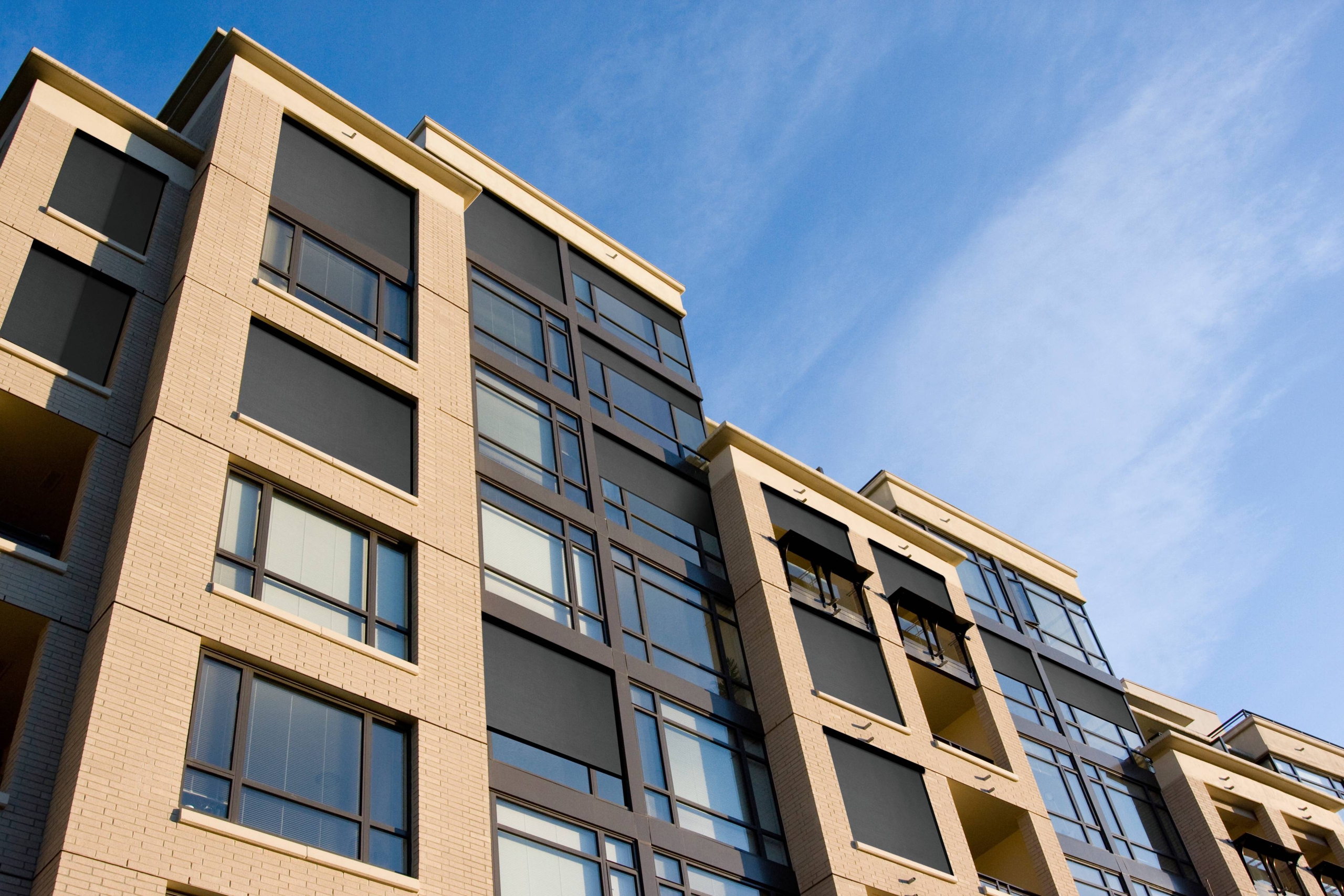
Why BC Homeowners Choose Habitat Screens
BC’s outdoor living season is shorter than it should be. Coastal properties face cool mornings, windy afternoons, and unpredictable rain. Mountain homes experience temperature swings and intense sun. Interior properties endure heat waves and insect pressure.
Traditional solutions are imperfect. Heavy curtains block light but darken interiors. Air conditioning costs spike trying to offset solar heat. You avoid your deck because mosquitoes make relaxation impossible. Your patio sits empty except for the few perfect weather days each summer.
Habitat screens address all of these frustrations simultaneously. They’re engineered to solve real problems homeowners face every day—not just add a decorative feature, but fundamentally improve how you live in and enjoy your home.
Unlike permanent solutions (window replacements, structural modifications), habitat screens are flexible. Deploy them when you need protection, raise them when you want unobstructed views and fresh air. This control is powerful: you decide when your home is open and when it’s protected.
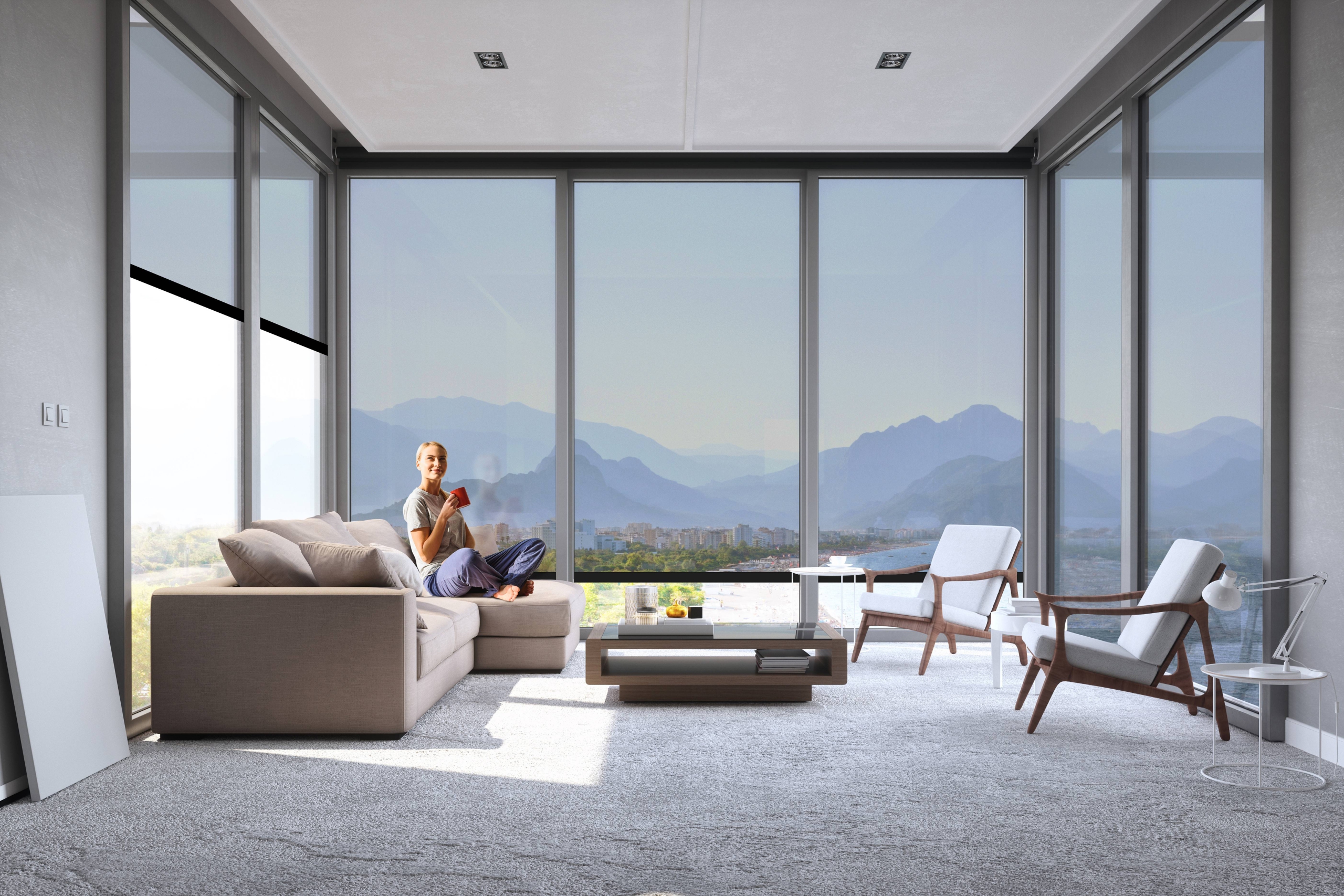
Reclaim Your Outdoor Space
The Problem: Why Your Patio Isn’t Being Used
You invested in your backyard. Whether it’s a deck with comfortable seating, a patio with a dining table, or a newer hot tub, you envision using these spaces regularly. But reality often differs:
- Summer heat makes it unbearable: West-facing decks become too hot to sit on by mid-afternoon. Your air conditioning runs constantly trying to cool rooms with south-facing glass.
- Wind makes it uncomfortable: Breezy afternoons that would be perfect become irritating. Leaves blow into food. Conversation requires shouting.
- Privacy concerns reduce enjoyment: Neighbors can see directly into your outdoor space. You feel exposed rather than relaxed.
- Insects ruin relaxation: Mosquitoes, flies, and wasps make outdoor dining or reading impossible. You sweat constantly or retreat inside.
- Unexpected rain stops activity: A sudden shower drives you inside. Spring and fall days that should be usable become impractical.
- Seasonal limitation frustrates: Your patio is only truly comfortable 2–3 months per year. The rest of the year it sits empty.
The Solution: Transform Seasonal Spaces Into Year-Round Living
The practical outcome: your outdoor investment finally pays for itself through actual use—hundreds of additional hours enjoying space you already paid for.
Room-by-Room Residential Applications
Master Bedroom Windows (Sleep & Privacy)
Daytime Benefits:
- Sleep during daylight hours: Shift workers, parents of newborns, or anyone sleeping during the day can close screens for complete darkness without heavy curtains or light-blocking fixtures
- Improved privacy: Neighbors cannot see in when screens are closed, eliminating the need for permanent heavy curtains that darken the room and trap heat
- Noise reduction: Screens act as acoustic barriers, reducing traffic noise, neighborhood sounds, and external disturbances. Many users report better sleep quality simply from reduced noise
- Temperature control: Exterior screens reduce heat loss in winter (acting as an insulation layer) and can be closed during summer to block early morning sun while maintaining cool night temperatures
Aesthetic benefit: Unlike heavy curtains or blackout blinds, screens are invisible when raised—you maintain the bedroom’s openness and aesthetic during waking hours, then deploy them when needed.
Many homeowners report that improved sleep quality from habitat screens becomes one of their favorite benefits—unexpected but deeply valued.
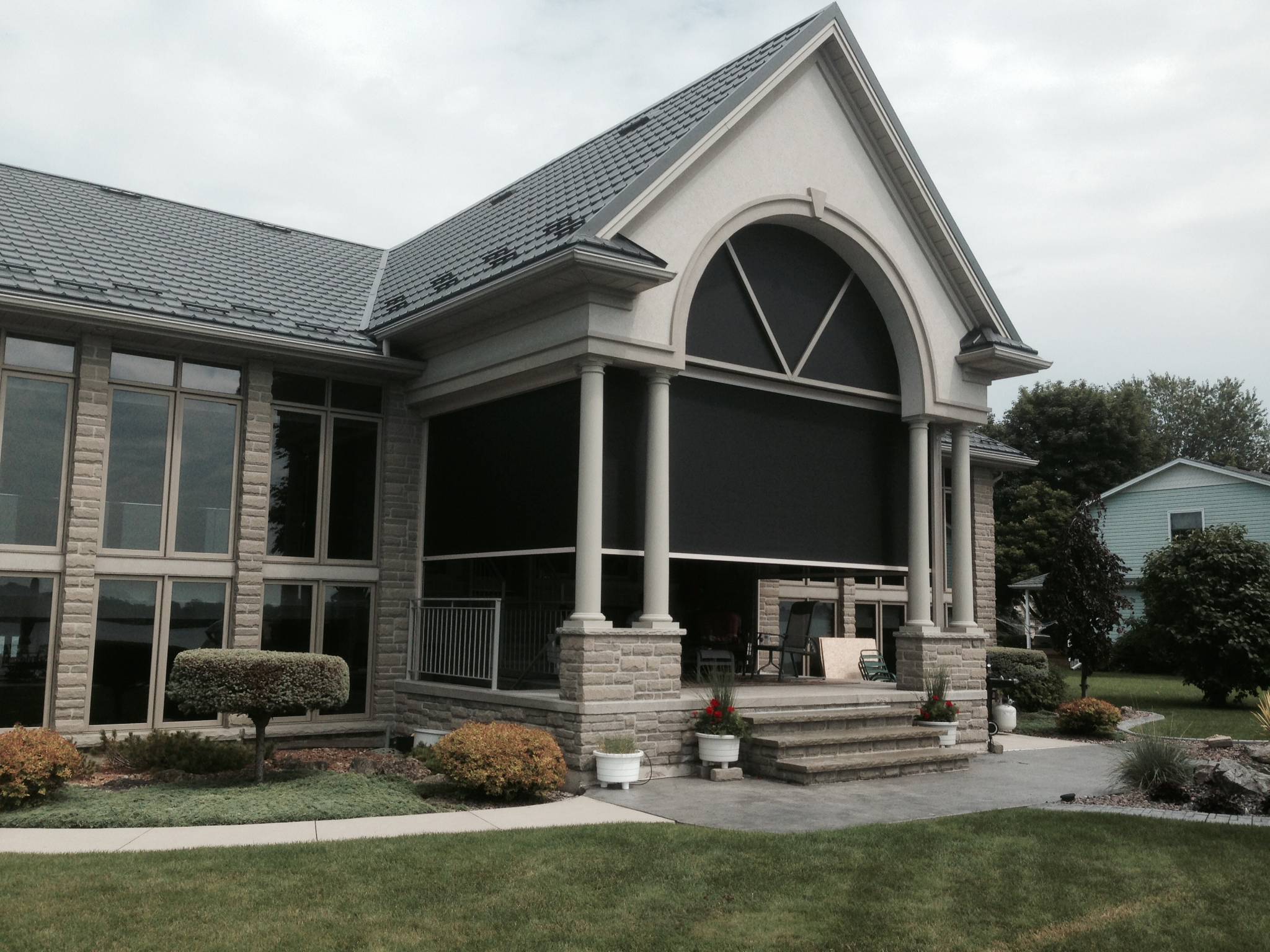
Living Room & Dining Room Windows (Comfort & Views)
- Reduce afternoon glare: Close screens during peak sun hours (reducing glare on TV screens, computer monitors, or reading materials)
- Cool the space: Blocking solar heat before it enters glass keeps interiors naturally cooler, reducing AC load and operating costs
- Maintain views: Unlike interior blinds or curtains, habitat screens don't obstruct views—you see out clearly while they're deployed
- Flexible operation: Lower screens during peak heat hours, raise them when the sun moves or evening approaches
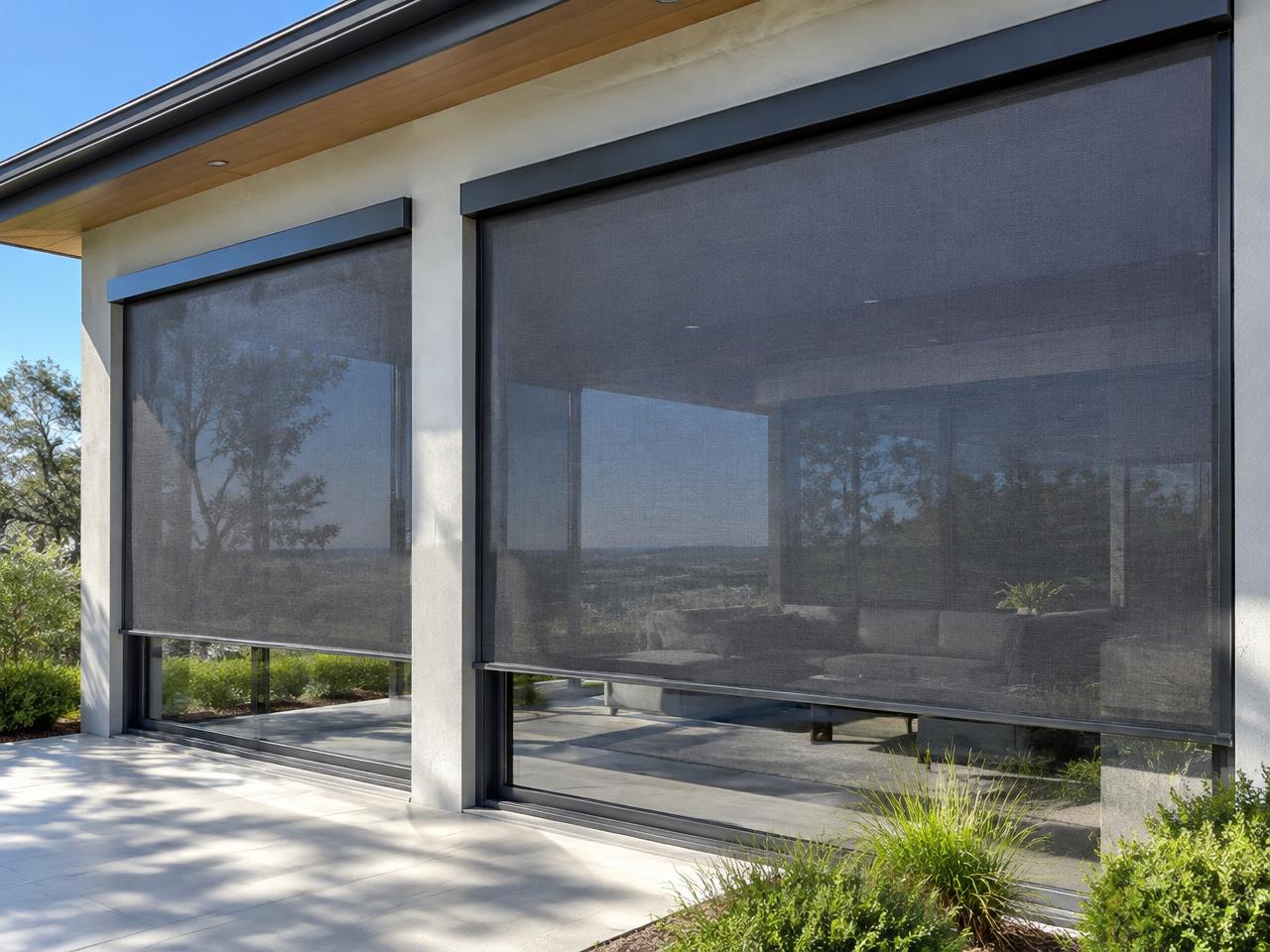
Home Office Windows (Focus & Light Control)
- Eliminate screen glare: Close screens to 10% openness for partial shading that reduces monitor glare while maintaining light and visibility
- Improve comfort: Avoid temperature extremes that distract from work. Screens help maintain stable, comfortable temperatures
- Privacy during work hours: Screens provide daytime privacy without permanent changes or heavy interior coverings
- Energy efficiency: Home offices often operate during the hottest parts of the day. Screens reduce HVAC demand, lowering utility costs
Operational note: Motorized screens allow quick adjustment as sun position changes throughout the day—you can adapt to conditions without interrupting work.
Kids' Bedrooms (Light Control & Privacy)
Young children (naptime/early bedtime):
- Screens enable midday darkening for nap times, reducing reliance on curtains that feel cave-like during waking hours
- Motorized screens allow easy daily adjustment without requiring manual operation
- Screens provide daytime privacy without permanent modifications
- Allow selective light control for comfort without creating a permanently dark room
- Screens support healthy sleep patterns by providing darkness when needed, light when desired
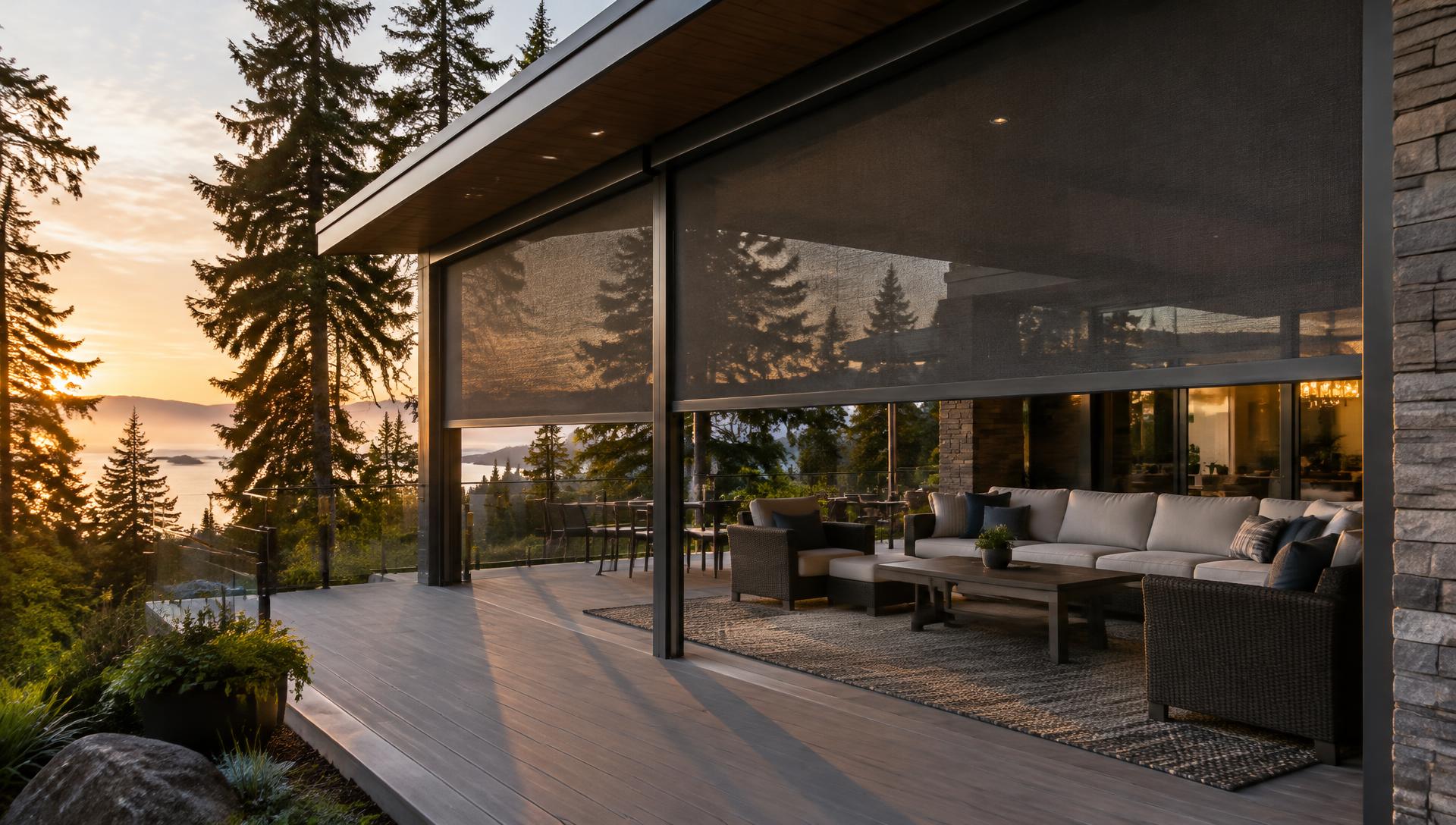
Patio & Deck Dining (Family Entertaining)
Entertaining improvements:
- Weather independence: Host outdoor dinner parties regardless of unexpected wind or cool temperatures. Screens provide shelter while maintaining the outdoor aesthetic and fresh air feeling
- Insect-free dining: Enjoy meals without constant swatting or abandoning food to insects. This is transformational for properties near water or green space
- Extended entertaining season: Spring and fall events that might have been moved inside stay outside. Weekend BBQs and gatherings extend from 3 months to 9 months per year
- Comfortable hosting: Guests aren't uncomfortable from heat, bugs, or wind—they genuinely enjoy the space
Family benefit: Kids can play safely in a bug-free outdoor area. Toddlers can nap in a shaded, protected outdoor space. Family meals happen on the patio even during shoulder seasons when they otherwise wouldn’t.
For many homeowners, the ability to use their patio consistently—not just on perfect-weather days—makes habitat screens one of their best home investments.
Hot Tub & Pool Areas (Wind & Insect Protection)
Pool/tub benefits:
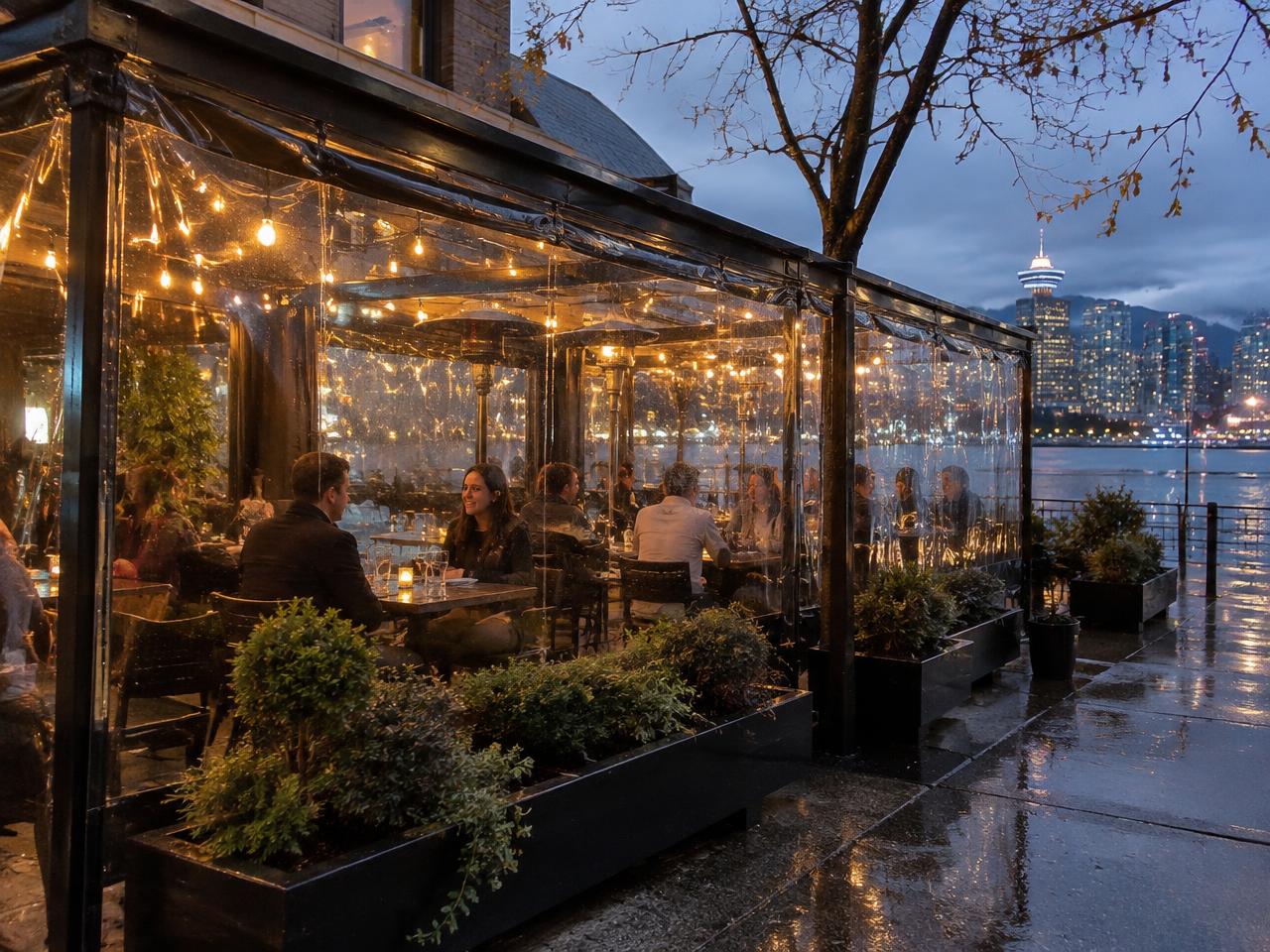
- Extended season: Hot tub season extends from summer-only to nearly year-round with screens providing wind protection and temperature stability
- Bug protection: Mosquitoes and other insects around water features are eliminated—guests can relax without insect pressure
- Temperature control: Screens reduce wind chill, allowing comfortable use in spring and fall when water temperature would otherwise feel cold
- Privacy: Screen-enclosed pool areas provide privacy from neighbors while maintaining the outdoor feeling
Family Lifestyle Benefits
Summer Comfort & Heat Relief
BC’s summers bring intense sun. South- and west-facing patios become unusable by mid-afternoon. Interior rooms with large windows heat up dramatically, driving AC costs and discomfort.
Habitat screens intercept solar heat before it penetrates glass. The effect is measurable: patios remain usable during peak sun, interior spaces stay naturally cooler, and AC systems run less frequently. Families report being able to spend more time in the outdoor space they designed for relaxation rather than retreating inside.
Financial impact: Average cooling cost reductions of 15–25% for homes with significant window exposure. Over a 20-year lifespan, these savings compound significantly.
Bug-Free Outdoor Enjoyment
Privacy Without Permanent Changes
Suburban and urban BC homes often face privacy challenges. Neighbors’ views into living spaces, pedestrian traffic past ground-floor windows, or close proximity to adjacent properties can feel intrusive.
Habitat screens provide daytime privacy (closed during daylight hours, screens block external views) without permanent alterations. When you raise the screens, your home returns to its original openness. This flexibility allows privacy when needed without the cave-like feeling of permanent blackout curtains or closed blinds.
Extended Living Season
BC’s outdoor season is compressed—genuinely comfortable outdoor living might occur only 2–3 months per year. Habitat screens extend this to 9–10 months.
This expansion is transformational. Instead of using your outdoor space sporadically, it becomes a regular extension of your home. Weekend breakfast on the patio becomes routine. Evening entertaining moves outside instead of remaining inside-only. The psychological and lifestyle benefit of additional usable space is profound.
Energy Savings & Lower Bills
Heating and cooling represent 40–50% of residential energy costs. Windows are the primary source of heat loss (winter) and heat gain (summer).
Habitat screens reduce both:
- Summer: Blocks solar heat gain, reducing AC load by 30–50% depending on exposure
- Winter: Acts as additional insulation layer, reducing heat loss through windows
Homeowner reality: Most homeowners don’t install habitat screens primarily for energy savings, but they’re pleasantly surprised when heating and cooling bills decline. These savings accumulate over decades, often offsetting the initial investment multiple times over.
Talius Habitat Screens for Residential Applications
Avant Guard Gates offers Talius Habitat Screen solutions for residential applications.
The broader Talius Habitat Screen range includes different system and fabric options intended to address varying solar shading, visibility, privacy and installation requirements.
Habitat Screens
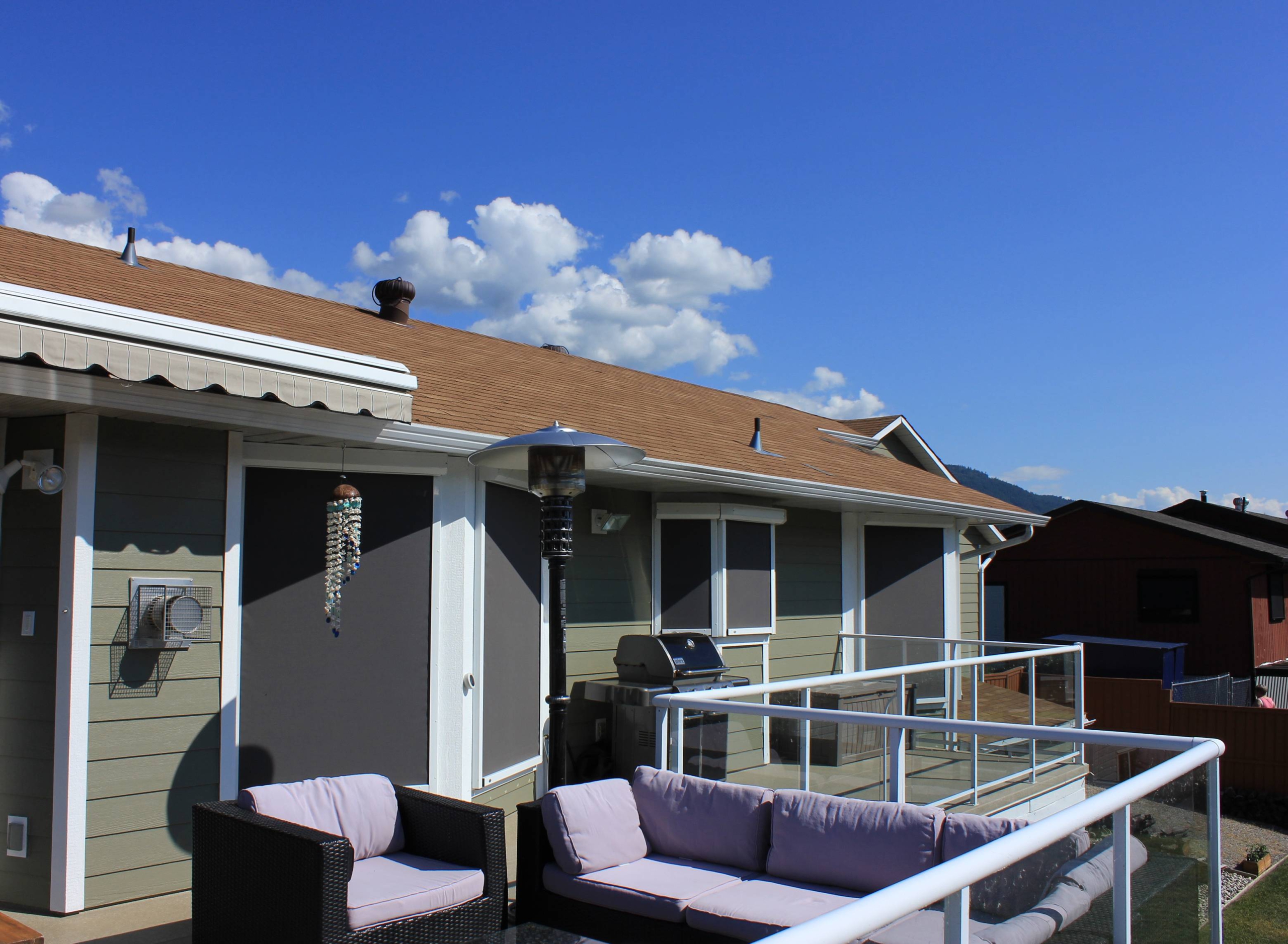
The standard Habitat Screen system provides retractable exterior shading for suitable residential openings and outdoor spaces.
Habitat Plus
Habitat Plus provides additional mounting flexibility and is also positioned for applications involving commercial spaces and more challenging dimensions.
For a residential project with unusual dimensions or mounting requirements, the specific site conditions should be reviewed before selecting a configuration.
Habitat Clear
Habitat Clear is designed around maintaining clear visibility while providing weather and solar-related protection.
It may be worth considering where maintaining a clear connection with the exterior is a significant priority.
The appropriate Talius system should be determined based on the actual opening and intended use.
Manual vs. Motorized: What Makes Sense for Families
Families typically use screens frequently (daily or multiple times per day during season), making the convenience-versus-cost calculation important.
Manual Operation: Hand crank or pull-cord operation works well for single or dual screens that remain manageable to operate, infrequent or seasonal use, and budget-conscious families looking to minimize cost.
Motorized Operation: Electric motors allow convenient button-press or automated operation, making them an ideal choice for families with multiple screens, high daily usage, or young children who require safer, easier operation, as well as those seeking smart home integration with voice control and scheduling.
Hybrid approach: Many families install motorized systems on high-use areas (patio) and manual on less-frequent applications (single bedroom window).
Additional features worth considering:
- Motorized scheduling: Screens lower automatically at sunset, raise at sunrise—no daily operation required
- Wind sensors: Automatically retract if winds exceed safe thresholds, protecting equipment during storms
- Smart home integration: Control screens via smartphone, voice commands, or home automation platforms alongside lighting and climate systems
Installation in Existing Homes
- Site Assessment & Design: Evaluate openings and select optimal options (manual vs. motorized, colors, fabrics).
- Custom Fabrication: Talius custom-builds screens to your exact measurements.
- Professional Installation: Complete mounting, motorization, and operational testing.
- Handover & Support: Guidance on operation and maintenance.
Timeline: Typically takes 1–3 days depending on complexity.
Non-Permanent: Mounted to exterior surfaces without structural damage and can be safely removed if needed.
Why Choose Avant Guard Gates for Residential Habitat Screens?
Habitat Screens are part of Avant Guard Gates’ broader range of property solutions.
The company has served British Columbia since 2000 and provides end-to-end project services across its offering, including design, custom fabrication, installation, maintenance and repair.
This broader experience is useful when a shading project needs to be considered alongside other aspects of a property.
For example, homeowners may also be exploring:
- Security roll shutters
- Custom gates
- Automatic gates
- Security gates and window bars
- Access control
- Retractable awnings
The right solution depends on the specific problem being addressed. Habitat Screens are primarily suited to exterior shading, privacy, visibility and comfort considerations rather than being treated as a replacement for every other type of property solution.
Frequently Asked Questions
Q: How much do residential habitat screens typically cost?
A: Cost varies based on opening size, number of screens, fabric choice, and motorization. A single residential screen (patio or large window) might cost $3,500 – $7,000. A multi-opening system (several windows and a patio) could cost $12,000 – $25,000+. Motorized systems cost more than manual. Avant Guard Gates provides transparent quotes after site assessment.
Q: Can I install screens on just one or two windows/areas, then add more later?
Q: Are motorized screens worth the extra cost?
A: For frequent-use applications (patios, multiple windows), motorized operation saves time, improves consistency, and allows automation. For infrequent-use areas (single bedroom window), manual operation is often adequate. The decision depends on how often you’ll operate the screens.
Q: What about strata approval?
Q: Will screens match my home's aesthetic?
A: Yes. Screens are available in multiple frame colors and can be custom-painted to match your home. Soffit or recessed mounting options hide them completely when raised. Design consultation helps ensure screens integrate seamlessly with your home’s appearance.
Q: Can I operate screens if the power goes out?
A: Motorized screens include manual backup operation (hand crank or lever), allowing operation without electricity. Some systems include battery backup for limited motorized operation during outages.
Q: How much do habitat screens help with energy bills?
A: Reduction varies based on window exposure, local climate, and how aggressively you operate screens. Typical savings range from 10–25% of annual HVAC costs for properties with significant window exposure. Summer cooling savings are usually more dramatic than winter heating savings.
Q: How long do screens last?
A: With proper maintenance, residential habitat screens last 20–30+ years. Motorized components can be serviced or replaced individually, extending overall system lifespan.
Q: Can screens be integrated with my smart home system?
A: Yes. Motorized screens integrate with smart home platforms (Apple Home, Google Home, Alexa, custom systems), allowing voice control, scheduling, and automation.
Q: What if I move or want to remove screens?
A: Screens can be removed without permanent damage to your home. While removal requires professional work, they’re not permanent structural modifications like window replacements.
Request a Quote for Residential Habitat Screens in BC
If you are considering exterior solar shading for your home, Avant Guard Gates can help you evaluate the available Habitat Screen options.
Request a quote from Avant Guard Gates for residential Habitat Screens in Surrey, Vancouver, the Lower Mainland or elsewhere in British Columbia.