
Commercial Habitat Screens BC for Buildings, Windows & Outdoor Spaces
Commercial Habitat Screens provide businesses and building owners with an exterior approach to solar shading, glare management, privacy and occupant comfort.
Installed outside suitable windows and openings, Habitat Screens can help manage sunlight before it reaches the building’s glazing. Depending on the selected fabric, they can provide different levels of solar protection, outward visibility and privacy while remaining retractable when shading is not required.
Avant Guard Gates offers Talius Habitat Screens for commercial applications across British Columbia. The product range includes solutions such as Habitat Plus for commercial spaces, buildings and locations where mounting conditions or dimensions require additional consideration.
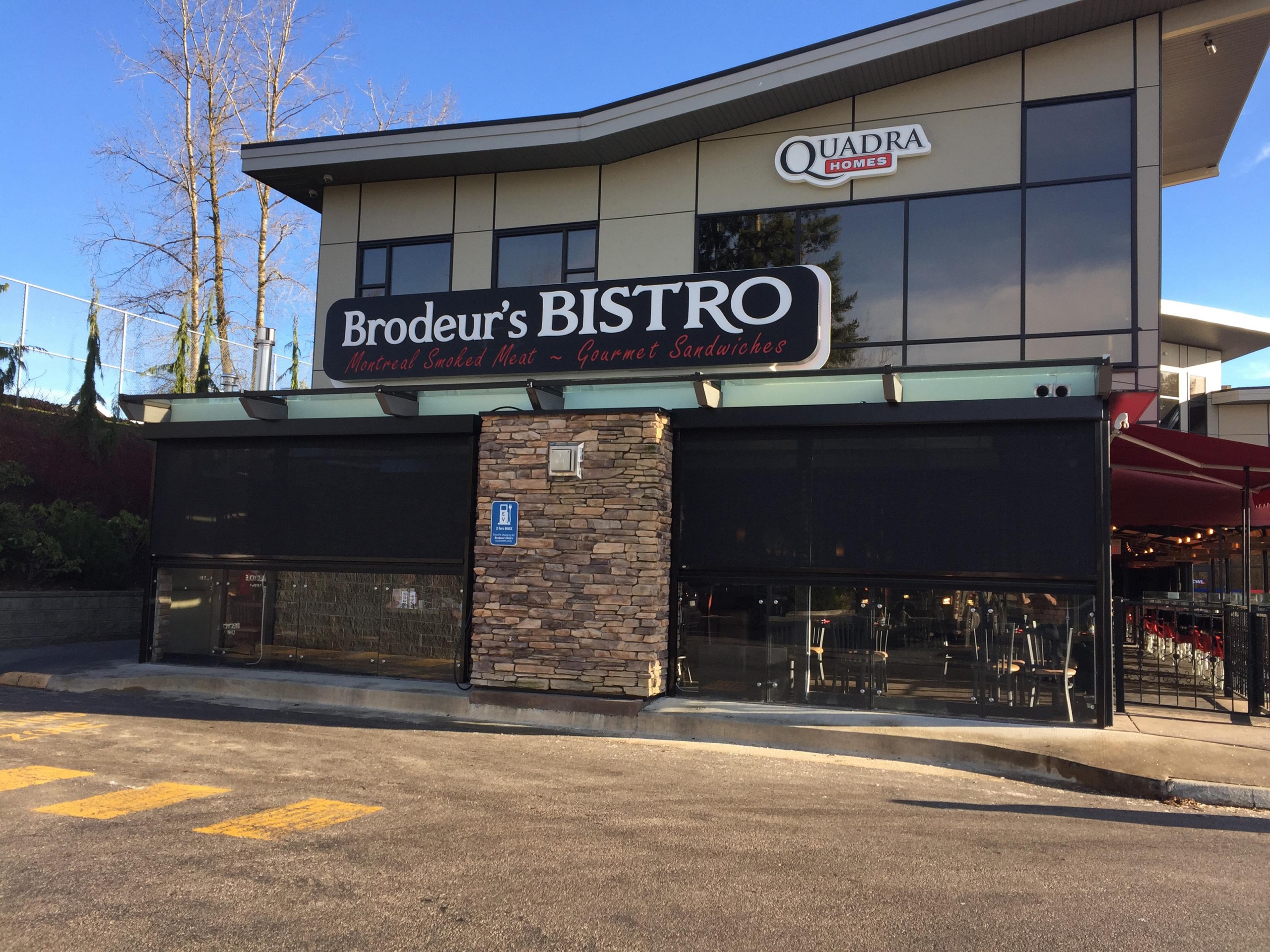
Why Use Habitat Screens on Commercial Buildings?
Commercial buildings can have significant glazed areas and sun exposure. Depending on the building’s orientation and use, direct sunlight can affect occupant comfort, glare and the way interior spaces are used.
Exterior Habitat Screens can be considered as part of a building’s overall solar-shading strategy.
Manage Solar Exposure
Habitat Screens are designed to shade the exterior of windows before sunlight reaches the glass.
Talius describes its Habitat Screens as a way to reduce heat gain by blocking sunlight before it reaches the window surface. The manufacturer also positions the systems as an approach to solar shading and energy efficiency.
Actual results depend on factors such as the building, glazing, screen fabric, orientation and operating conditions.
Reduce Glare
Glare can be a practical issue in offices, commercial spaces and other buildings with significant window exposure.
Exterior shading can help control direct sunlight entering through exposed glazing while still allowing the building to retain a connection with the exterior.
The appropriate fabric should be selected according to the space’s requirements.
Support Occupant Comfort
Strong solar exposure can affect how comfortable a space feels during sunny periods.
By providing exterior shading, Habitat Screens can help manage the amount of direct solar exposure reaching windows.
For commercial properties, this can be particularly relevant in regularly occupied spaces where windows receive substantial sunlight.
Maintain Visibility
Commercial buildings often need to balance solar control with the need for natural light and views.
Talius offers different fabric weave densities, allowing the project team to select a configuration based on the desired balance between openness, solar protection and privacy.
Provide Privacy
Privacy may be important for offices, professional spaces, multi-use buildings and other commercial environments.
Depending on the selected fabric and lighting conditions, Habitat Screens can provide daytime privacy while maintaining some outward visibility.
Privacy requirements should be evaluated together with the building’s layout and intended use.
Commercial Habitat Screen Applications
Habitat Screens can be considered for a range of commercial building applications.
Office Buildings
Offices with exposed windows may benefit from exterior shading where sunlight and glare affect work areas.
- Window orientation
- Screen visibility
- Frequency of operation
- Employee comfort
- Privacy
- Manual versus motorized control
For buildings with multiple exposed elevations, each opening may have different requirements.
Retail and Commercial Storefronts
Commercial storefronts often need to balance natural light, visibility and solar exposure.
Habitat Screens can be considered where exterior shading is required without permanently covering the glazing.
The appropriate configuration depends on the storefront design and available mounting conditions.
Restaurants and Hospitality Spaces
Restaurants, cafés and other hospitality environments may have windows, patios or outdoor spaces where solar exposure affects customer comfort.
Habitat Screens can be considered for suitable patios, decks and outdoor areas where retractable exterior shading is desirable.
The application should be assessed based on the space, opening configuration and intended operation.
Commercial Outdoor Spaces
Exterior shading can help make suitable commercial outdoor spaces more comfortable during periods of strong sun.
Habitat Screens can be used for applications such as patios and other outdoor areas identified by Talius.
For these installations, project stakeholders should consider the available mounting surfaces, screen orientation, exposure and desired operation.
Multi-Unit and Building Projects
Buildings with multiple units or repeated window configurations may require a more coordinated approach to screen selection and installation.
The project team should consider consistency of appearance, opening dimensions, mounting conditions, access for installation and the operating requirements of individual spaces.
Habitat Plus for Commercial Applications
Habitat Plus is particularly relevant when planning commercial Habitat Screen projects.
Avant Guard’s current product information describes Habitat Plus as having a robust design and versatile mounting options for commercial spaces, buildings and locations with complex dimensions.
Talius also identifies Habitat Plus for applications where conventional mounting conditions may be more challenging.
This makes the system worth considering for commercial projects where the architecture or installation environment requires additional planning.
For larger or more complex projects, the suitability of the system should be evaluated against the actual building conditions rather than assumed from the product category alone.
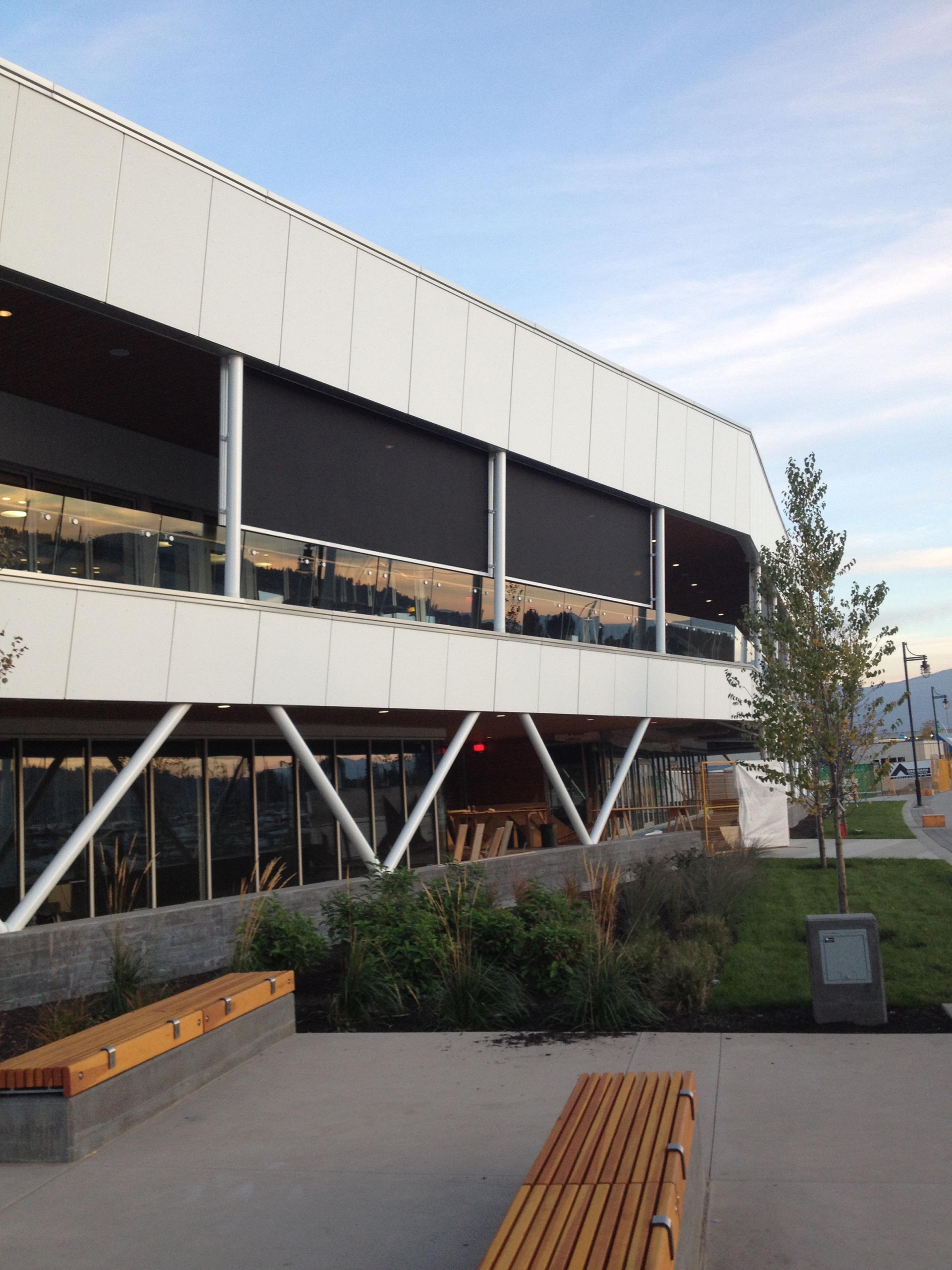
Choosing the Right Commercial Screen Fabric
Fabric selection is one of the most important decisions in a commercial Habitat Screen project.
Different fabric densities create different balances between solar protection, visibility and privacy.
A commercial office may prioritize outward visibility and glare control, while another space may place greater emphasis on privacy or solar protection.
Determine how important the exterior view is from the occupied space.
Consider whether the space requires daytime privacy from neighbouring buildings, streets or surrounding properties.
A meeting room, office, retail area and outdoor dining space may have very different shading requirements.
Manual vs Motorized Commercial Habitat Screens
Operation becomes particularly important when a project includes multiple screens or openings that are difficult to access.
Manual operation may be appropriate for some smaller or easily accessible installations.
Motorized operation can be considered where screens need to be adjusted regularly or where convenient centralized operation is important.
Avant Guard’s current Habitat Screen information identifies motorized control, sensors and automation as available considerations.
Talius also identifies motorized operation and optional environmental sensors for Habitat Screen systems. For a commercial project, operating requirements should be discussed early in the planning process.
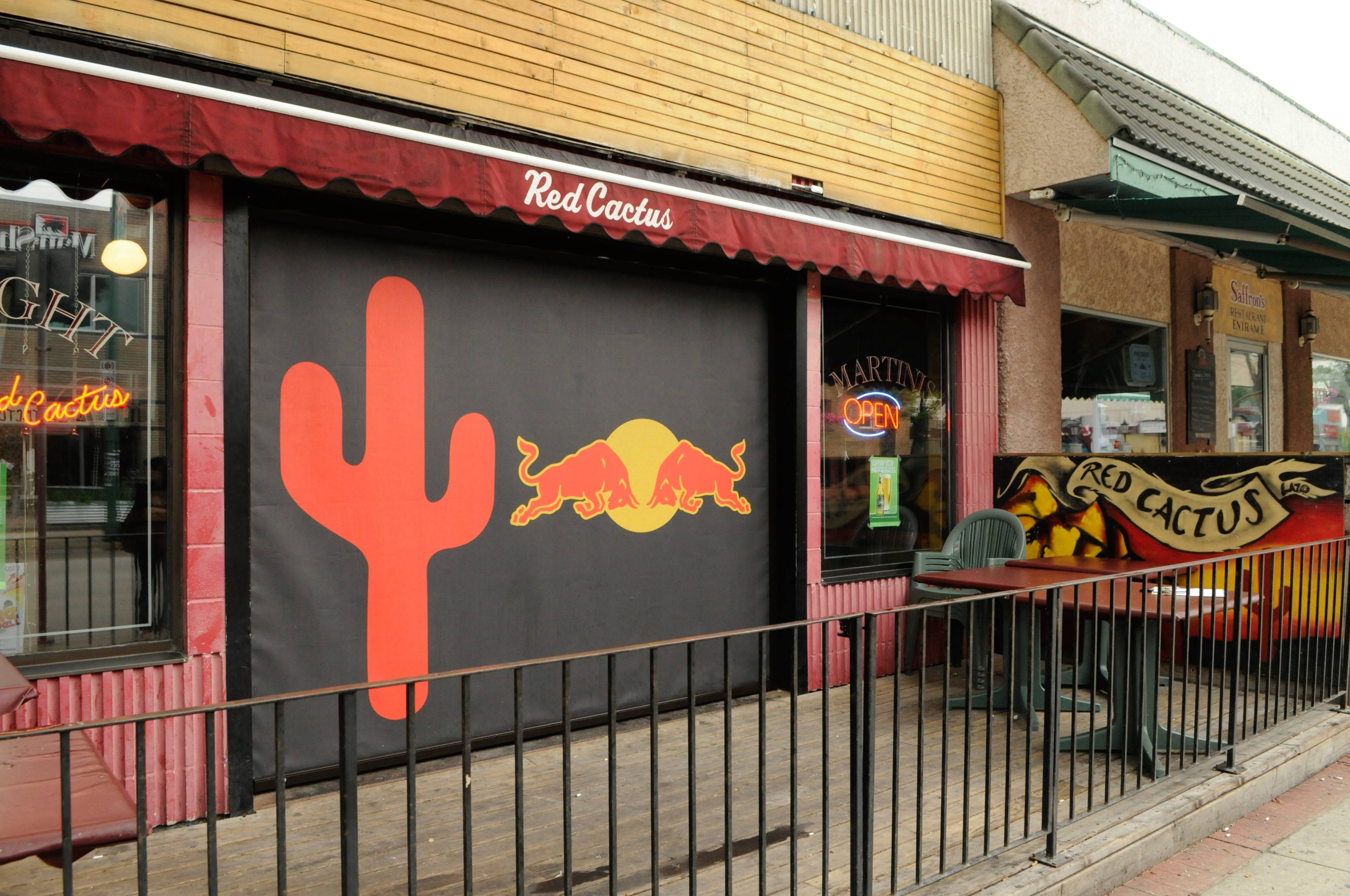
Commercial Project Planning Considerations
Before specifying a system, commercial property owners, contractors, architects and other project stakeholders should consider:
- Building orientation
- Sun exposure
- Exterior finishes
- Privacy requirements
- Number of screens
- How the space is used
- Window and opening dimensions
- Mounting surfaces
- Desired visibility
- Manual or motorized operation
- Accessibility for installation and future service
For projects involving multiple openings, consistency across the building may also be an important design consideration.
Talius’ technical documentation states that field measurement is required for Habitat Screen dimensions and identifies requirements around mounting surfaces, flashing and finishing where applicable.
This is one reason project-specific assessment is preferable to selecting a screen based only on a generic opening size.
Habitat Screens and Building Automation
Commercial buildings may have more complex operating requirements than individual residential installations.
Where appropriate, Habitat Screens can be considered alongside motorized controls, sensors and automation.
The objective can be to make screen operation more convenient while responding to changing sunlight and building conditions.
The actual control configuration should be determined according to the building and the selected system.
Habitat Screens for British Columbia Commercial Properties
Commercial buildings across British Columbia can have very different solar-shading requirements.
A Vancouver office building, Surrey commercial property and other Lower Mainland facilities may have different architectural designs, window orientations and outdoor spaces.
Rather than selecting a standard configuration for every project, commercial Habitat Screen planning should start with the building itself.
Avant Guard Gates is based in Surrey and has served customers across British Columbia since 2000. The company’s broader services include design, custom fabrication, installation, maintenance and repair.
For commercial projects, this provides a local point of contact for discussing the property, openings and project requirements before determining the appropriate Habitat Screen approach.
Why Work With Avant Guard Gates?
Avant Guard Gates provides Habitat Screens as part of its broader range of property solutions.
The company works with residential and commercial properties and provides end-to-end services across its broader offering, including design, custom fabrication, installation, maintenance and repair.
Its product portfolio also includes security roll shutters, security gates and window bars, custom gates, access controls, automation and retractable awnings.
This broader product knowledge can be useful when a commercial property is evaluating several aspects of exterior access, security or shading.
For Habitat Screen projects, the first step should be understanding the commercial property’s requirements and determining whether the product is appropriate for the application.
When Should a Commercial Property Consider Habitat Screens?
- Significant direct sun exposure
- Windows where maintaining an exterior view is important
- Privacy requirements
- A need for motorized exterior shading
- Glare affecting occupied areas
- Outdoor areas that require retractable shading
- Large or unusual openings
- Commercial spaces where solar control is part of the building strategy
They are not necessarily appropriate for every opening or every building.
A project assessment can help determine which openings would benefit from exterior screens and which configuration should be considered.
Frequently Asked Questions
Are Habitat Screens suitable for commercial buildings?
Yes. Talius specifically identifies Habitat Screens and Habitat Plus for building and commercial applications. Habitat Plus is described as suitable for commercial spaces, buildings and locations with more complex dimensions.
What commercial spaces can use Habitat Screens?
Potential applications include commercial windows, suitable doors and outdoor areas such as patios and decks. The appropriate application depends on the building and available mounting conditions.
Can commercial Habitat Screens be motorized?
Can Habitat Screens help reduce glare in an office?
Can commercial Habitat Screens maintain an exterior view?
Are Habitat Screens suitable for large or unusual commercial openings?
How much do commercial Habitat Screens cost?
There is no universal commercial Habitat Screen price.
Project cost can depend on the number and size of openings, selected system, fabric, operating method, mounting conditions and installation requirements.
A project-specific quote is required to establish the actual cost.
Can Habitat Screens be used for commercial patios?
Yes. Talius identifies patios and decks among its Habitat Screen applications. Commercial outdoor spaces should be assessed for suitable mounting conditions and the intended use of the area.
Quote
Request a Quote for Commercial Habitat Screens in BC
If your commercial property needs exterior solar shading, glare management, privacy or a more comfortable outdoor space, Avant Guard Gates can help you evaluate the available Habitat Screen options.
Request a quote from Avant Guard Gates to discuss commercial Habitat Screens in Surrey, Vancouver, the Lower Mainland or elsewhere in British Columbia.