
Exterior Solar Screens for Windows in Vancouver, Surrey and the Lower Mainland
Strong sunlight through windows can make rooms uncomfortable, create glare on screens and expose furniture and flooring to UV radiation. Exterior solar screens offer a way to manage sunlight before it reaches the window glass.
Avant Guard Gates & Access Controls Ltd. offers Talius Habitat Screens for suitable residential and commercial applications. These retractable exterior screens are designed to help control solar exposure while maintaining an outward view, depending on the fabric selected.
For properties in Vancouver, Surrey and the Lower Mainland, the right solution depends on the window’s orientation, the amount of sunlight it receives, the desired level of shading and the available mounting space.
Want to improve comfort around sun-exposed windows? Contact Avant Guard Gates to discuss your project.
What Are Exterior Solar Screens for Windows?
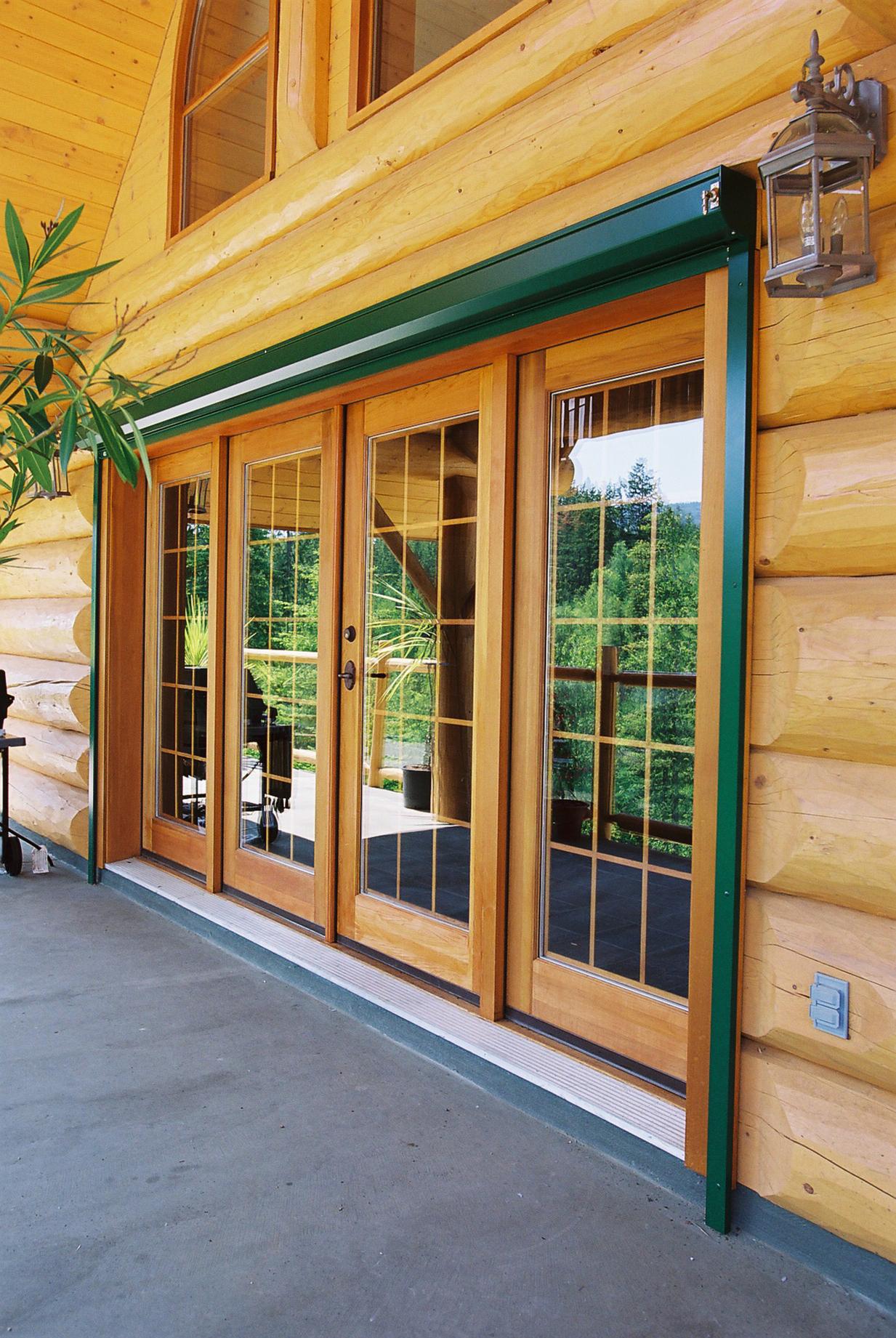
Exterior solar screens are shading systems installed outside a window. A screen fabric lowers over the opening to help manage direct sunlight, glare and solar heat gain. When the screen is not needed, a retractable system can be raised to reopen the view.
Talius Habitat Screens are designed for exterior solar shading. Their fabric options provide different balances of sunlight reduction, UV protection and outward visibility.
Unlike interior blinds, which act after sunlight has passed through the glass, exterior screens intercept some solar radiation before it reaches the window. This can help manage solar heat gain, although the results vary by fabric, glazing, orientation and local conditions.
- Living rooms with strong afternoon sunlight.
- Home offices where glare affects computer screens.
- Commercial windows exposed to direct sunlight.
- Buildings where reducing direct solar exposure is a priority.
- Bedrooms with sun-facing windows.
- Large windows overlooking a garden or outdoor area.
- Offices and shared spaces where glare affects occupants.
The suitability of a screen must be confirmed for the dimensions, mounting conditions and exposure of each opening.
Benefits of Exterior Solar Screens
Help manage solar heat gain
Sunlight passing through windows can contribute to indoor heat gain. An appropriately selected exterior screen can reduce the amount of solar energy reaching the glass.
The effect on indoor comfort depends on factors such as window size, glazing, building insulation, orientation, fabric and weather. A screen should not be treated as a guaranteed replacement for air conditioning or other building systems.
Reduce direct sunlight and glare
Direct sunlight can make rooms uncomfortable and cause reflections on televisions, computer monitors and other displays.
Exterior solar screens can soften incoming light, helping make certain rooms more comfortable to use during bright periods. The right fabric depends on how much light you want to filter and how much of the outdoor view you want to preserve.
Help protect interior furnishings from UV exposure
Prolonged sunlight can contribute to fading and deterioration of some fabrics, finishes, flooring and furnishings. Solar-screen fabrics can reduce UV exposure through the window, depending on the selected material.
UV protection varies by fabric and configuration. No screen can guarantee that interior materials will never fade.
Preserve an outward view
One reason to consider solar screens is the balance between shading and visibility. Screen fabrics come in different openness levels, allowing property owners to choose how much light and view to retain.
Fabric colour and openness influence the result. The appearance from inside may also differ from how the screen looks from outside.
Retract when shading is not needed
A retractable screen can be lowered during periods of strong sunlight and raised when you want an unobstructed view. This flexibility can be useful as the sun changes direction throughout the day and across the seasons.
Manual and motorized options may be available, depending on the selected system and opening.
Which Windows Benefit Most from Exterior Solar Screens?
Not every window needs the same level of shading. Consider the room’s use, the time of day when sunlight enters and whether glare or heat is the main concern.
South-facing windows
South-facing windows can receive substantial sunlight depending on the season, surrounding buildings and roof overhangs. Solar screens may help manage direct exposure while allowing you to retain some natural light and visibility.
The appropriate fabric should be chosen based on actual conditions rather than orientation alone.
West-facing windows
West-facing windows can receive strong afternoon and evening sunlight. This may create glare or increase heat gain later in the day, particularly during warmer weather.
Exterior shading can be worth investigating where these effects interfere with comfort or room use.
East-facing windows
East-facing windows receive morning sunlight. Screens may help where early sunlight causes glare in bedrooms, kitchens, offices or other regularly used spaces.
Large picture windows
Large glazed openings can admit significant sunlight simply because of their size. A retractable exterior screen may help manage solar exposure without permanently covering the glass.
The width, height, available mounting surfaces and product limitations must be checked before selecting a system.
Office and commercial windows
In offices and commercial buildings, direct sunlight can affect computer workstations, customer areas and other occupied spaces.
Window orientation, desk placement, glazing and operating schedules should all be considered. A screen may be most useful on selected elevations or openings rather than every window in the building.
Choosing the Right Solar Screen Fabric
Fabric selection is one of the most important decisions in an exterior solar-screen project. Different fabrics provide different levels of shading and outward visibility.
When comparing options, consider the following factors.
Solar control: How much direct sunlight and glare do you want to reduce?
Openness: More open fabrics generally preserve more of the view but provide less screening. Tighter weaves can offer greater solar screening, with reduced outward visibility.
Natural light: Consider whether you want a bright room with softened sunlight or stronger screening during sunny periods.
Privacy: Some fabrics can provide a degree of daytime privacy. This effect depends on fabric openness and lighting conditions and should not be treated as guaranteed privacy.
Appearance: Fabric colour affects how the screen looks on the exterior and how easily you can see through it from inside.
Window use: Consider whether the window needs to open, how the screen will be operated and whether any hardware or trim affects installation.
The best choice is a balance between shading, visibility and the intended use of the room. Ask to review the available options for the proposed system before finalising the specification.
Exterior Solar Screens vs. Interior Blinds
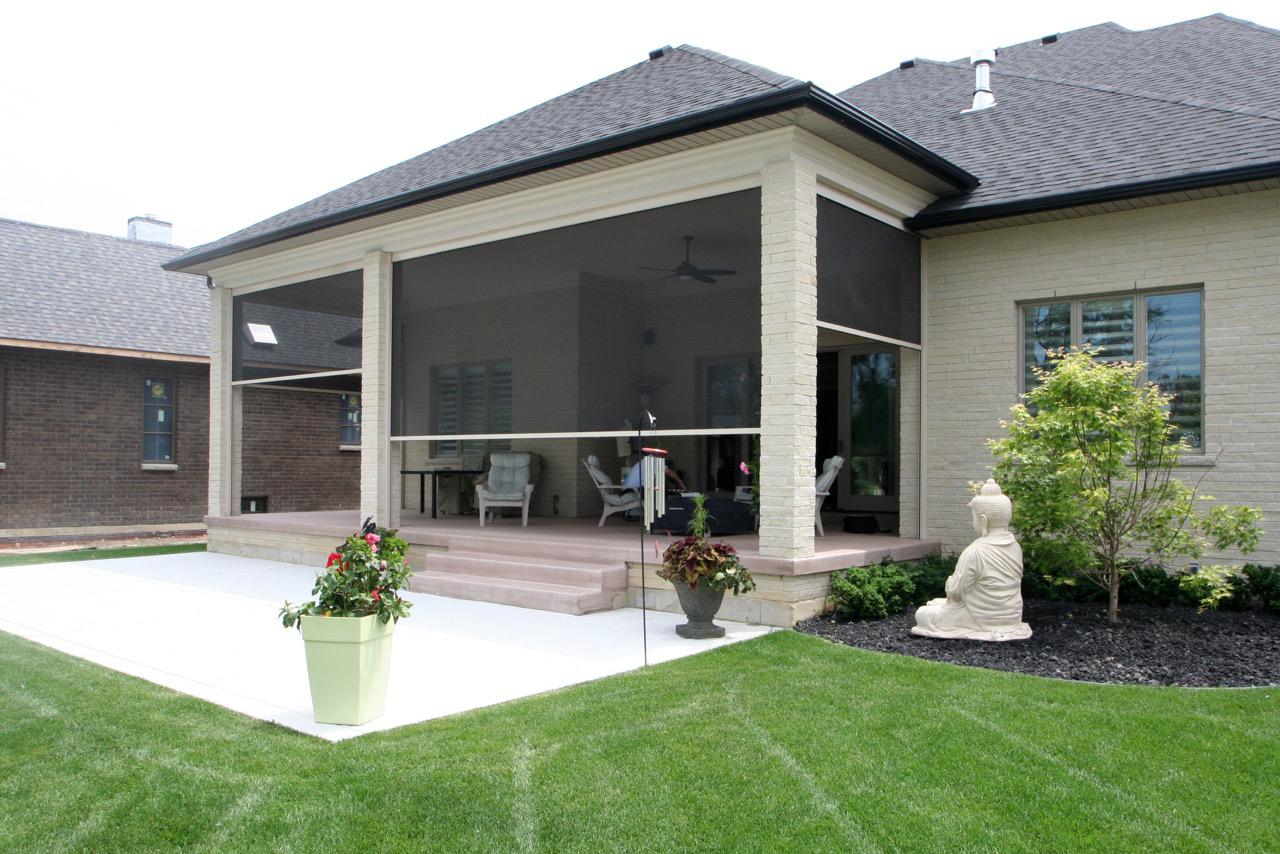
Exterior screens and interior blinds can both help manage daylight, but they operate at different points in relation to the window.
| Consideration | Exterior solar screens | Interior blinds |
|---|---|---|
| Position | Installed outside the window | Installed inside the room |
| Solar control | Intercepts some sunlight before it reaches the glass | Controls light after it has passed through the glass |
| Outward visibility | Depends on fabric openness and lighting | Depends on blind design and position |
| Appearance | Adds visible exterior screen hardware | Adds an interior window treatment |
| Retractable option | Available with suitable screen systems | Available with many blind systems |
| Installation factors | Exterior mounting surfaces and exposure matter | Interior clearance and window details matter |
These options are not identical, and one may suit a particular building better than the other. Existing interior blinds can also be retained alongside exterior screens if appropriate.
Manual or Motorized Exterior Solar Screens?
The best operating method depends on the location of the window, the size of the screen and how frequently it will be used.
Manual solar screens
Manual operation may suit accessible windows where screens are adjusted occasionally. The available operating method depends on the selected product and configuration.
Motorized solar screens
Motorized screens can make operation more convenient for large, high or frequently used windows. Depending on the system, compatible controls may include a wall switch, remote control, group operation or other automation options.
Not every control feature is available with every configuration. Power access, control locations and desired automation should be discussed during project planning. Electrical work should be completed by qualified professionals in accordance with applicable requirements.
For more information about powered systems, see the planned Motorized Habitat Screens page once it is published.
Are Exterior Solar Screens Suitable for Homes and Commercial Buildings?
Residential properties
Homeowners may consider exterior solar screens for living rooms, bedrooms, kitchens, home offices and other rooms affected by direct sunlight.
The priority might be reducing glare, managing solar exposure or preserving the outdoor view. The best configuration depends on the window and how the room is used.
Commercial properties
Businesses may consider screens for offices, reception areas, retail spaces and other occupied areas with sun-exposed windows.
Projects may involve several windows or elevations, so it is useful to identify the openings that cause the greatest discomfort and establish a consistent approach to shading.
Institutional properties
Schools, community buildings and other institutional facilities may have windows where solar control is important for occupant comfort or visibility.
Any proposed system must preserve required exits, accessibility and other building-safety provisions. Larger projects may require coordination with the facility team and relevant building professionals.
What to Expect When Planning a Solar Screen Project
A successful project begins with understanding the windows and the problem you want to solve.
1. Identify the priority windows
List the rooms or commercial areas affected by sunlight. Note the time of day when glare or heat is most noticeable.
2. Establish your priorities
Decide whether you care most about reducing glare, managing solar exposure, limiting UV exposure or preserving a particular view. These priorities will help guide fabric selection.
3. Review the openings
4. Consider operation
5. Confirm the configuration
Product suitability, fabric options, controls and installation requirements should be confirmed for the actual opening. Approximate measurements and photographs can help with the initial enquiry, but final dimensions may need to be verified during project planning.
Exterior Solar Screens in Vancouver, Surrey and the Lower Mainland
Window exposure varies across the Lower Mainland. A west-facing window in a Vancouver home may have different shading needs from a large glazed elevation in a Surrey commercial building.
- Which windows receive direct sunlight and at what time.
- The size and shape of each opening.
- Whether the building is sheltered or exposed to wind.
- Any strata, property-management or building requirements.
- Whether glare, heat gain, UV exposure or visibility is the main concern.
- Available exterior mounting surfaces.
- Whether manual or motorized operation is preferred.
Habitat Screens are exterior products, so exposure and operating guidance matter. Talius advises against operating Habitat Screens in windy conditions. The selected product’s instructions and site suitability should be confirmed before use.
Avant Guard Gates is based in Surrey, BC, and offers Talius Habitat Screens. Contact the team to discuss your window-shading requirements and confirm product suitability and service arrangements for your location.
Frequently Asked Questions
Are exterior solar screens better than interior blinds?
Do exterior solar screens block the view?
Can solar screens help reduce indoor heat?
Do exterior solar screens protect furniture from UV exposure?
Can exterior solar screens be motorized?
Motorized operation is available for suitable configurations. Control options depend on the selected product, motor and installation requirements.
Can exterior solar screens be installed on commercial buildings?
They may be suitable for offices, retail spaces and other buildings with sun-exposed windows. Each project should be assessed for opening dimensions, mounting conditions, access and operational requirements.
Can Habitat Screens be used in windy conditions?
Talius advises against operating Habitat Screens in windy conditions. Follow the manufacturer’s operating instructions for the selected system and confirm its suitability for the property’s exposure.