
Motorized Habitat Screens for Homes and Businesses in BC
Control exterior shading with the convenience of motorized Habitat Screens. Instead of manually raising or lowering a screen, a compatible powered system lets you operate it using the selected control method, making it easier to adjust shading as sunlight and daily needs change.
Motorized Habitat Screens can be considered for suitable home windows, patios, decks, commercial buildings and other openings where retractable solar screening is appropriate. Depending on the selected motor and controls, options may include handheld remotes, wall controls, group operation, timers or compatible sensors.
Avant Guard Gates & Access Controls Ltd. offers Talius Habitat Screens as part of its range of property solutions. For projects in Vancouver, Surrey and the Lower Mainland, the right setup depends on the opening, screen configuration, power availability and how you want to operate the system.
Considering motorized Habitat Screens? Contact Avant Guard Gates to discuss your project.
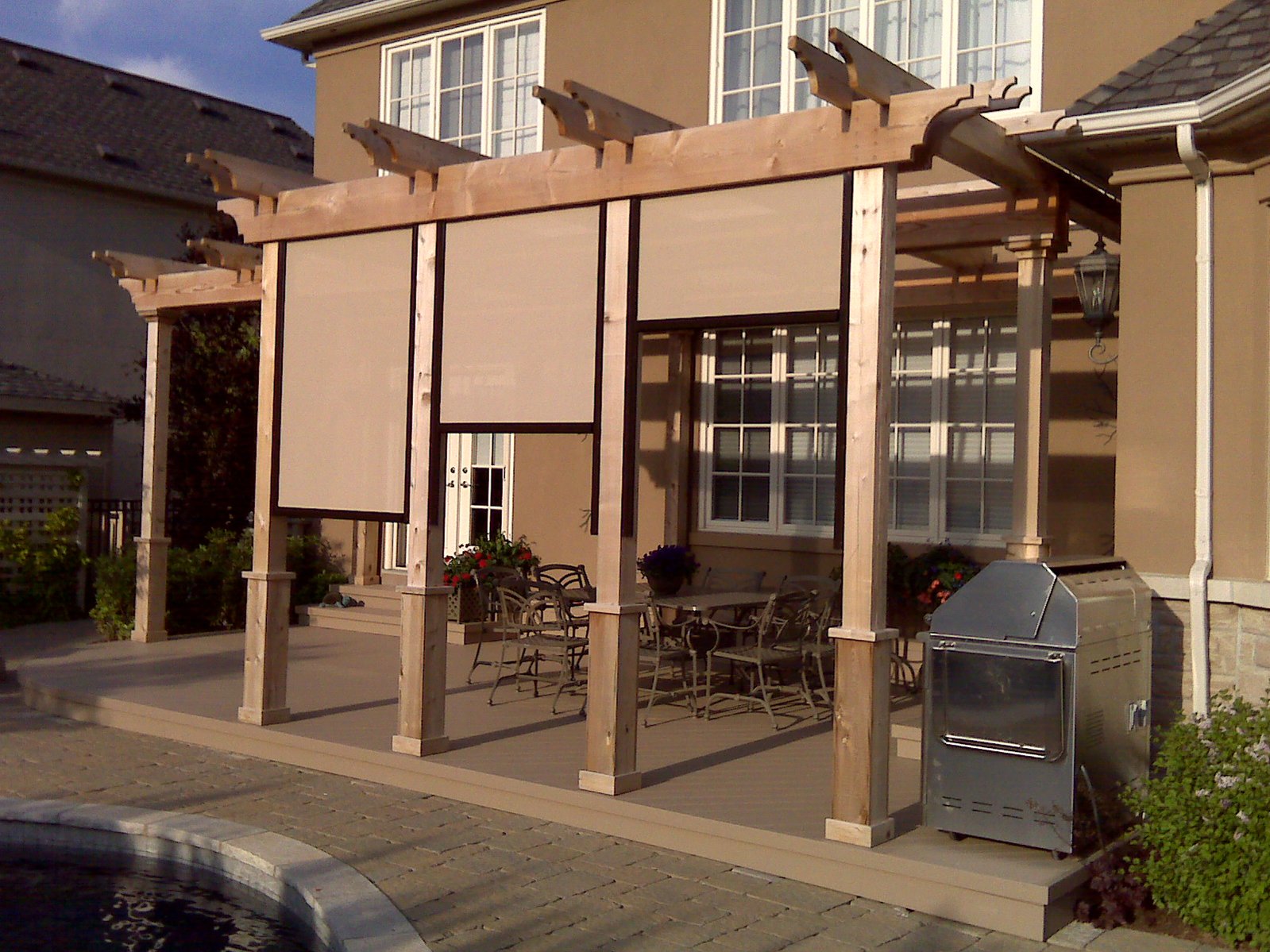
What Are Motorized Habitat Screens?
Motorized Habitat Screens are retractable exterior screens operated by a powered mechanism. The screen lowers when you want shading or screening and retracts when you prefer an open view.
The motor is integrated into the screen system. Depending on the selected configuration, operation may be controlled through a remote, wall control or compatible automation system.
Motorization is particularly useful when screens are large, installed in hard-to-reach locations or adjusted frequently throughout the day.
Suitable applications may include:
- Home patios, decks and covered outdoor living areas.
- Commercial windows and selected customer-facing spaces.
- Suitable institutional or shared spaces with defined shading requirements.
- Exterior windows exposed to direct sunlight.
- Offices and other buildings where glare management matters.
The motor controls how the screen operates; it does not determine the screen fabric’s shading performance or make the screen a security barrier. Product selection should account for both the intended use and the physical conditions of the opening.
Why Choose Motorized Habitat Screens?
Convenient Operation
Motorization makes it easier to raise and lower a screen without manually operating each unit. This can be useful when the screen is used throughout the day or when the opening is difficult to reach.
For homeowners, it may simplify adjustments to patio shading or sunlight entering a room. For businesses, it can make routine operations more convenient for staff.
Better Control of Changing Sunlight
Sun exposure changes throughout the day and across seasons. Motorized operation lets you adjust a screen when sunlight becomes uncomfortable, rather than leaving it in one position because manual operation is inconvenient.
The amount of shading depends on the fabric, the opening and the sun’s angle. A suitable fabric and placement remain essential, regardless of whether the screen is motorized.
Easier Operation for Multiple Screens
If a property has several screens, compatible controls may allow individual or group operation. This can be helpful for a home with multiple patio openings or a commercial property with several windows.
Group control and the number of screens supported depend on the motor, transmitter and control configuration. Confirm these details before specifying the system.
Useful for Large or Hard-to-Reach Openings
Manual operation may be less practical when a screen is wide, high or used frequently. Motorization can provide a more convenient way to operate these screens.
However, not every opening can accommodate every motorized configuration. Dimensions, mounting space, product compatibility and power access must be checked.
Flexible Integration Options
Selected Talius motor and control configurations may support timers, compatible sun or wind sensors, and home-automation integration. These options can help tailor operation to the property’s needs.
Availability varies by product and control system. Automation should be discussed during planning rather than assumed to be included with every motorized screen.
Motorized Habitat Screen Controls and Automation
A compatible handheld remote can allow the user to raise, lower or stop a motorized screen without operating it manually.
Remote controls may be especially convenient for patio screens or windows where the control point is not immediately beside the opening. The number of screens that can be controlled, and whether they can be grouped, depends on the selected transmitter.
A compatible wall control can provide a fixed operating point near a patio door, window or other convenient location.
This may suit homes where several people use the screen, or commercial properties where staff need a consistent way to operate it. The location of the control and any electrical requirements should be established before installation.
Some compatible control systems allow multiple screens to be operated together, while retaining individual control where supported.
Group operation may be useful for:
- Several windows along one side of a home.
- Selected office or commercial glazing.
- Multiple screens around a patio.
- Properties with several shaded zones.
The control system must be selected to match the intended arrangement. Do not assume that any remote can operate any number of screens.
Some Talius motor and control configurations support timer functions or integration with compatible home-automation systems.
Depending on the selected equipment, this may allow screen operation to be scheduled or incorporated into a broader control setup. Compatibility, programming requirements and the available functions should be confirmed before purchase.
Compatible sensors may automate screen movement in response to environmental conditions. A sun sensor can help manage screen position in relation to sunlight, while a compatible wind sensor can trigger retraction when wind reaches its configured threshold.
These are product-specific options, not standard features of every motorized screen. Their suitability depends on the motor, control system, installation and location.
A wind sensor does not make a screen suitable for every weather condition. Follow the manufacturer’s operating instructions, including guidance about operating the screen in windy conditions.
Where Are Motorized Habitat Screens Most Useful?
Motorized screens can be useful in different settings, but the priorities vary by property.
Residential Patios and Decks
For homeowners, a motorized screen can make it easier to adjust a covered patio or deck as the sun moves. It may also help manage exposure to insects when a suitable screening system is fully deployed.
Consider motorization if you expect to adjust the screen regularly, have several openings to manage or want controls positioned conveniently inside the home.
The opening, available mounting surfaces and exposure to wind and rain should be assessed before choosing a product.
Home Windows
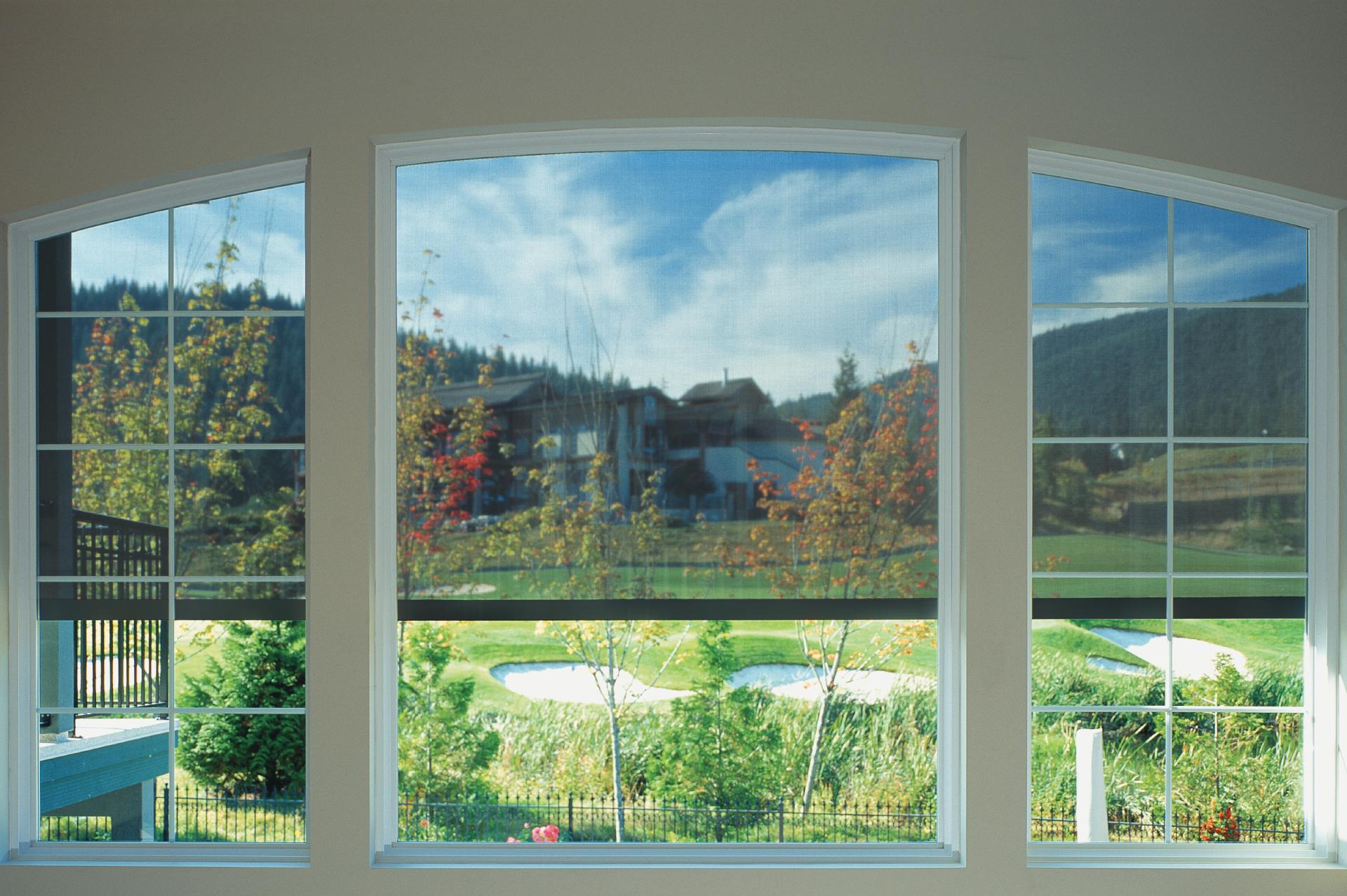
Motorized exterior window screens can be considered where sunlight and glare affect rooms throughout the day. Powered operation may be particularly convenient for high windows or multiple openings.
Fabric selection remains important. A more open fabric may preserve more outward visibility, while a denser fabric may provide greater solar screening. The appropriate balance depends on the room, orientation and homeowner’s priorities.
Commercial Buildings
Commercial properties may have large windows, glazed areas or outdoor spaces where convenient shading is important. Motorized operation can help staff adjust suitable screens without manually operating each unit.
Potential applications include office windows, reception areas, retail spaces and selected covered outdoor areas. Project planning should account for how the space is used, who controls the screens, and how the system can be accessed for maintenance.
Institutional and Shared Properties
Choosing the Right Screen Fabric
Motorization improves convenience, but the fabric determines much of the screen’s shading and visibility characteristics.
Talius Habitat Screens offer different fabric options, allowing the system to be selected around the property’s needs. When comparing fabrics, consider the following.
- Solar control: How much direct sunlight and glare do you want to reduce?
- Visibility: Is maintaining the outward view a priority?
- Natural light: How much daylight should continue to enter the room?
- Privacy: Do you want to limit views into the space during certain conditions?
- Insect screening: Is reducing insect entry part of the intended use?
- Location: Will the screen cover a window, patio, deck or another opening?
Privacy depends on fabric and lighting conditions. A screen that limits views into a home during daylight may offer less privacy after dark when interior lights are on.
If the primary goal is weather enclosure rather than solar shading, ask whether a different Habitat product, such as Habitat Clear, is more suitable. Its purpose differs from standard solar-shading mesh.
Planning a Motorized Habitat Screen Installation
Before selecting a motorized screen, review the opening and the requirements for powering and operating the system.
Confirm the Opening and Mounting Space
The screen dimensions, available headbox clearance, side-guide mounting surfaces and surrounding obstructions all affect product suitability.
Window trim, soffits, cladding, doors and other architectural features may influence where the system can be mounted. Final dimensions and configuration should be confirmed during project planning.
Plan Electrical Access
Motorized screens need a compatible power and control arrangement. The electrical requirements depend on the selected motor and system.
Identify where power is available and where you want the controls. Electrical work should be completed by qualified professionals in accordance with applicable requirements and the manufacturer’s instructions.
Decide How You Want to Operate the Screen
Think about your daily routine and the people who will use the system. A single patio screen may need only a straightforward control, while a property with several screens may benefit from compatible group controls.
If timers, sensors or automation are important, discuss them before finalising the system. Retrofitting a different control arrangement later may involve additional work.
Consider Wind and Weather Exposure
Exposure can vary considerably between a sheltered patio and an elevated or open location. Discuss the conditions around your property and the operating guidance for the selected screen.
Talius advises against operating Habitat Screens in windy conditions. A compatible wind sensor may be an option for some motorized systems, but it does not remove the need to follow product-specific operating instructions.
Plan for Maintenance and Access
The screen housing, guides, motor and controls should remain accessible as needed for inspection or service. Ask about the recommended care for the selected fabric and system, including any sensor or control maintenance.
For commercial or institutional properties, consider who will operate the screens and who will be responsible for routine care.
Motorized Habitat Screens in Vancouver, Surrey and the Lower Mainland
Homes and buildings across the Lower Mainland have different exposure, architecture and operating needs. A motorized screen for a sheltered Surrey patio may require a different configuration from a high window or an exposed commercial opening in Vancouver.
For a local project, consider:
- The direction and timing of sunlight.
- The size and mounting conditions of the opening.
- Where power and controls can be installed.
- Any building, strata or property requirements that apply.
- Whether the screen is exposed to wind and rain.
- Whether individual or group operation is needed.
- Whether compatible sensors or automation would be useful.
Why Discuss Your Project with Avant Guard Gates?
A motorized screen should be selected around the opening, fabric requirements, operating method and site conditions—not simply the availability of a motor.
Avant Guard can discuss the requirements of your home or property and help identify the information needed to assess a suitable Habitat Screen configuration.
When enquiring, include:
- Your property location.
- The openings you want to screen.
- Your main goal, such as solar shading, glare reduction or insect screening.
- Photos of the openings and surrounding structure, if available.
- Whether the project is residential, commercial or institutional.
- Approximate dimensions, if available.
- Whether you want remote, wall, group or automated operation.
These details can help introduce the project. A site assessment may still be required to confirm dimensions, mounting conditions, compatible controls and installation requirements.
Frequently Asked Questions
Can I operate motorized Habitat Screens with a remote?
Can motorized Habitat Screens connect to a smart-home system?
Can the screens operate automatically based on sunlight or wind?
Compatible sensors may automate screen movement based on sunlight or wind conditions. Sensor availability, compatibility and settings vary by system. Always follow the manufacturer’s operating guidance.
Are motorized Habitat Screens suitable for patios and decks?
They may be suitable for many patio and deck applications, provided the opening, mounting structure and exposure meet product requirements. A site assessment can help determine the appropriate configuration.
Do motorized screens provide better shading than manual screens?
Do motorized Habitat Screens need electrical work?
Motorized systems require a compatible power arrangement. Requirements depend on the selected motor and controls. Any electrical work should be completed by qualified professionals in accordance with applicable requirements and manufacturer instructions.
Can I control several screens together?
Some compatible control systems support group operation as well as individual control. The number of screens and available functions depend on the selected equipment and configuration.
Can I leave motorized Habitat Screens down during strong winds?
Do not assume a screen is suitable for all wind conditions. Talius advises against operating Habitat Screens in windy conditions. Follow the manufacturer’s instructions and discuss the site’s exposure and any compatible sensor options.
Request a Quote for Motorized Habitat Screens
Looking for motorized Habitat Screens in Vancouver, Surrey or the Lower Mainland? Contact Avant Guard Gates to discuss your project.