
Habitat Screens BC for Homes, Buildings & Outdoor Spaces
Habitat Screens provide an exterior approach to common problems caused by sunlight, glare, heat, privacy concerns and uncomfortable outdoor spaces.
Installed outside suitable windows and openings, Talius Habitat Screens can help manage solar exposure before it reaches the glass. Different fabric options allow the screen to be configured around priorities such as solar protection, outward visibility and privacy.
Avant Guard Gates offers Talius Habitat Screen solutions for residential and commercial properties across British Columbia. The right solution depends on the property, the opening, the level of sun exposure, how the space is used and what you want the screen to accomplish.
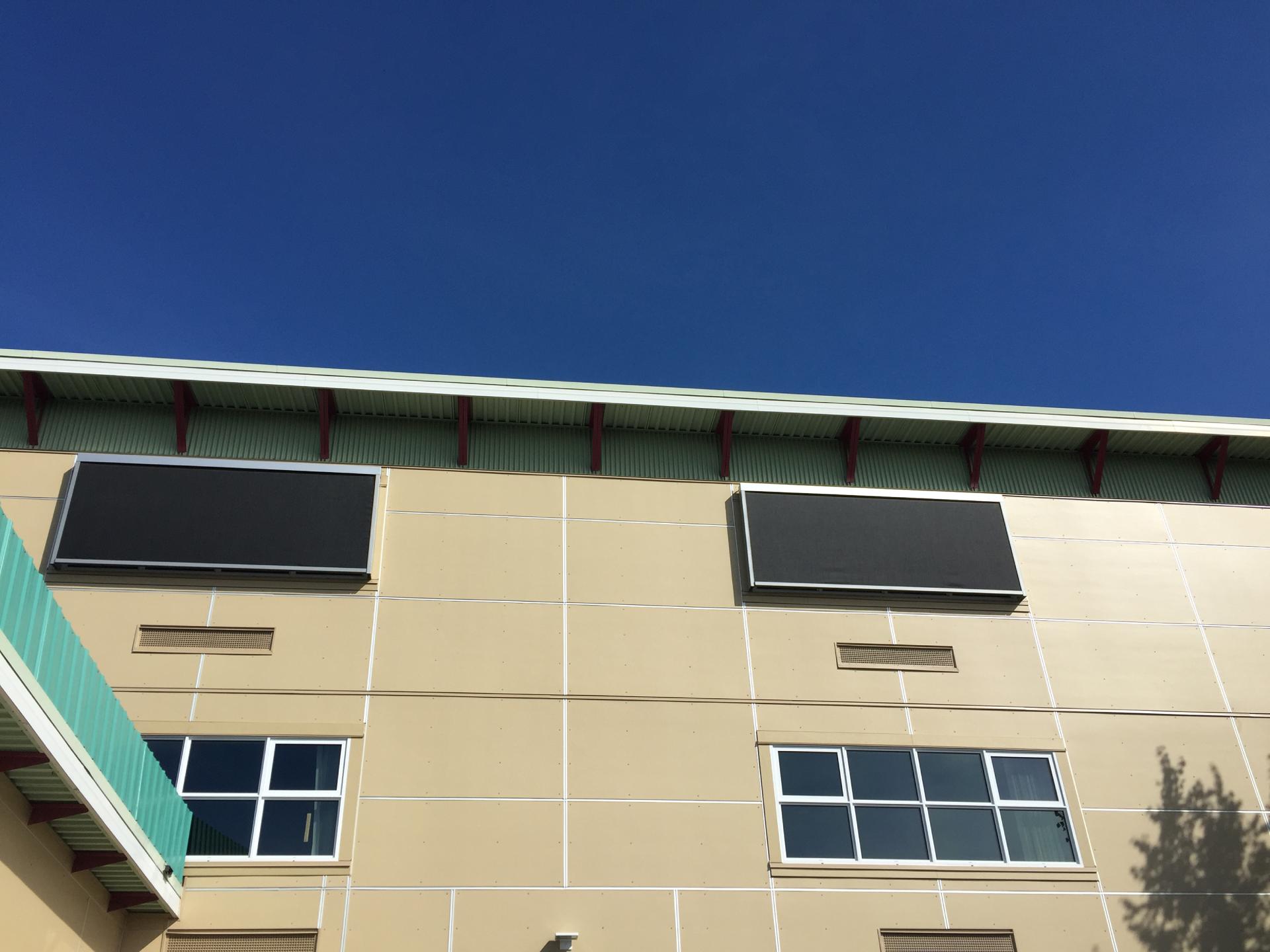
What Problems Can Habitat Screens Solve?
Habitat Screens can be considered for a range of solar shading and comfort requirements, including:
- Excessive sunlight
- Solar heat exposure
- Daytime privacy
- The need to maintain outward visibility
- Glare
- UV exposure
- Uncomfortable outdoor spaces
- The need for retractable exterior shading
One of the main differences between exterior and interior shading is where the screen addresses sunlight.
Habitat Screens are installed outside the window or opening, allowing them to intercept sunlight before it reaches the glass. Talius positions the system as an approach to solar shading, comfort and energy efficiency.
Solution for Solar Heat and Sun Exposure
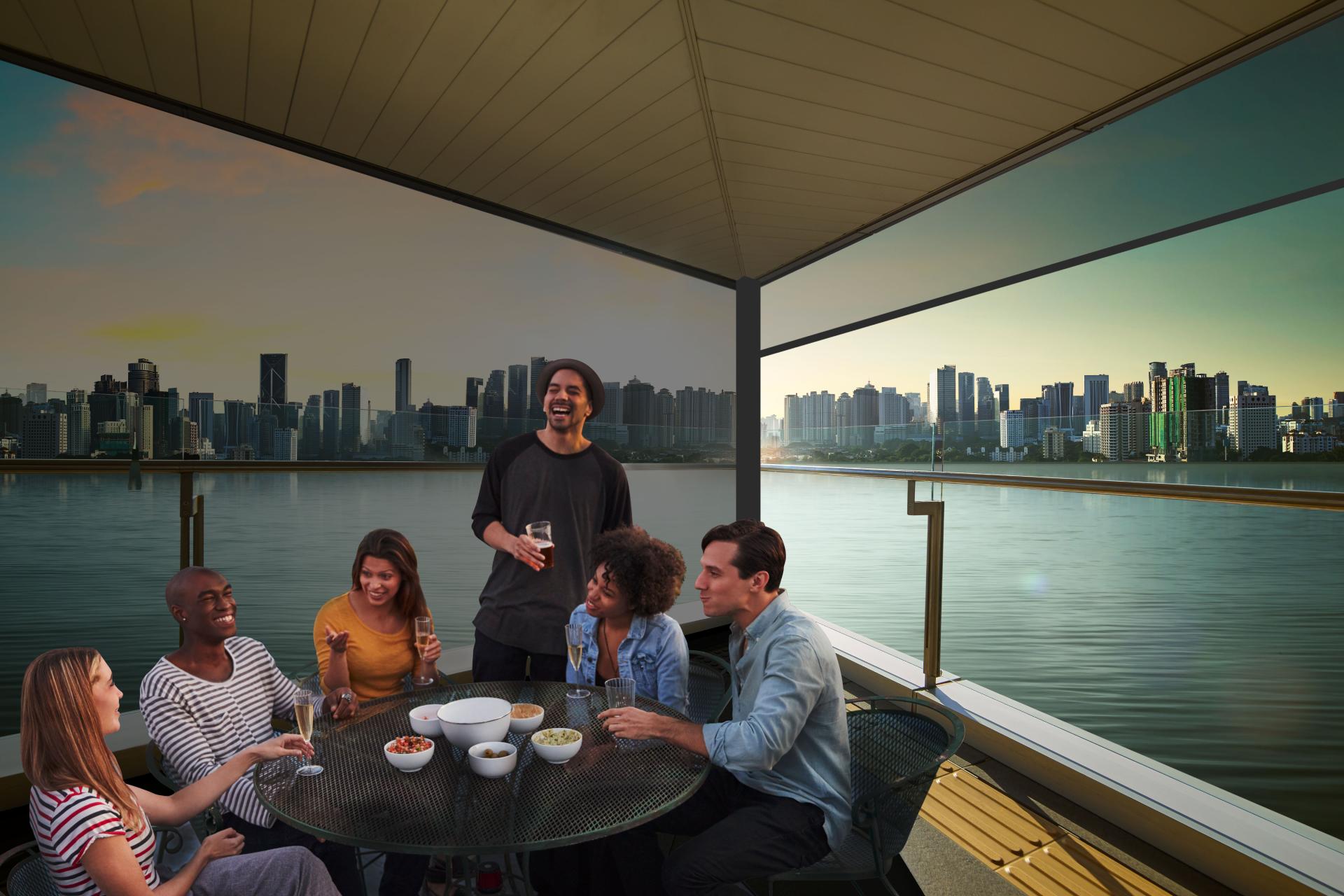
Strong direct sunlight can make rooms uncomfortable and increase the amount of solar heat entering through exposed glazing.
An exterior Habitat Screen provides a layer of shading between the sun and the window.
Talius describes its Habitat Screens as reducing heat gain by blocking sunlight before it reaches the window surface. The manufacturer also offers different fabric densities so the amount of openness and solar protection can be considered according to the application.
This can be particularly relevant for:
- South- or west-facing windows
- Sun-exposed rooms
- Patios and outdoor living areas
- Large glazed areas
- Commercial spaces with extensive glazing
The appropriate fabric and configuration should be selected based on the actual exposure and requirements of the property.
Solution for Glare
Glare can make otherwise useful spaces less comfortable.
For example, strong sunlight through a window can interfere with screens, televisions, work areas or simply make a room unpleasant to occupy during certain periods of the day.
Habitat Screens can help manage direct solar exposure while retaining varying levels of outward visibility.
Rather than automatically selecting the densest screen, consider the balance between:
- Glare control
- Natural light
- Privacy
- Solar protection
- Outward visibility
The right balance depends on the room and how it is used.
Solution for Privacy
Privacy requirements vary considerably between properties.
A home facing a neighbouring building may need a different approach from an office overlooking a public area or a patio located close to another property.
Habitat Screen fabrics provide different levels of openness, allowing privacy to be considered alongside solar protection and visibility. Talius identifies daytime privacy as one of the system’s applications.
For privacy-focused projects, consider:
- What direction the opening faces
- Whether daytime or nighttime privacy is the primary concern
- How much solar protection is required
- How close neighbouring properties are
- How important the exterior view is
Lighting conditions also matter. A screen that provides daytime privacy may not provide the same privacy after dark when interior lighting is brighter than the exterior.
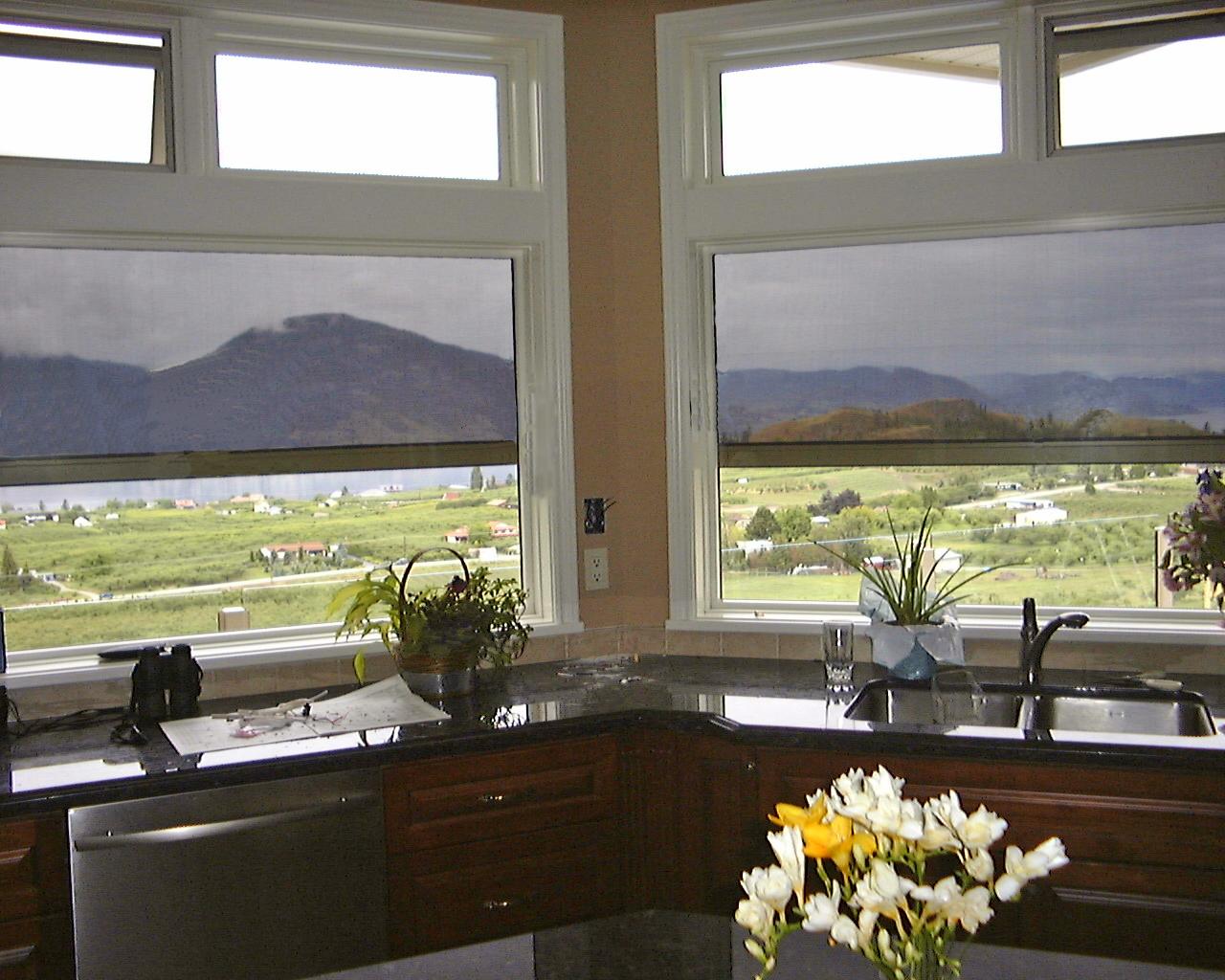
Solution for Maintaining the View
Solar shading does not always have to mean losing the view.
Talius offers fabrics with different weave densities, allowing the customer to choose an appropriate balance between openness and solar protection.
This can be useful for:
- Homes overlooking gardens or landscapes
- Commercial spaces with street-facing windows
- Large glazed openings
- Offices with desirable exterior views
- Patios overlooking outdoor areas
If maintaining the view is important, this requirement should be identified before selecting the fabric.
Solution for UV Exposure
Sunlight can contribute to UV-related exposure of interior furnishings and flooring.
Habitat Screens provide an exterior layer between the sun and the building’s glazing. Talius identifies UV protection as one of the benefits associated with its Habitat Screen fabric options.
For properties where protecting interiors from prolonged solar exposure is important, UV protection should be considered alongside solar shading, visibility and privacy.
Solution for Uncomfortable Outdoor Spaces
Habitat Screens are not limited to windows.
They can also be considered for patios, decks, gazebos and other suitable outdoor spaces.
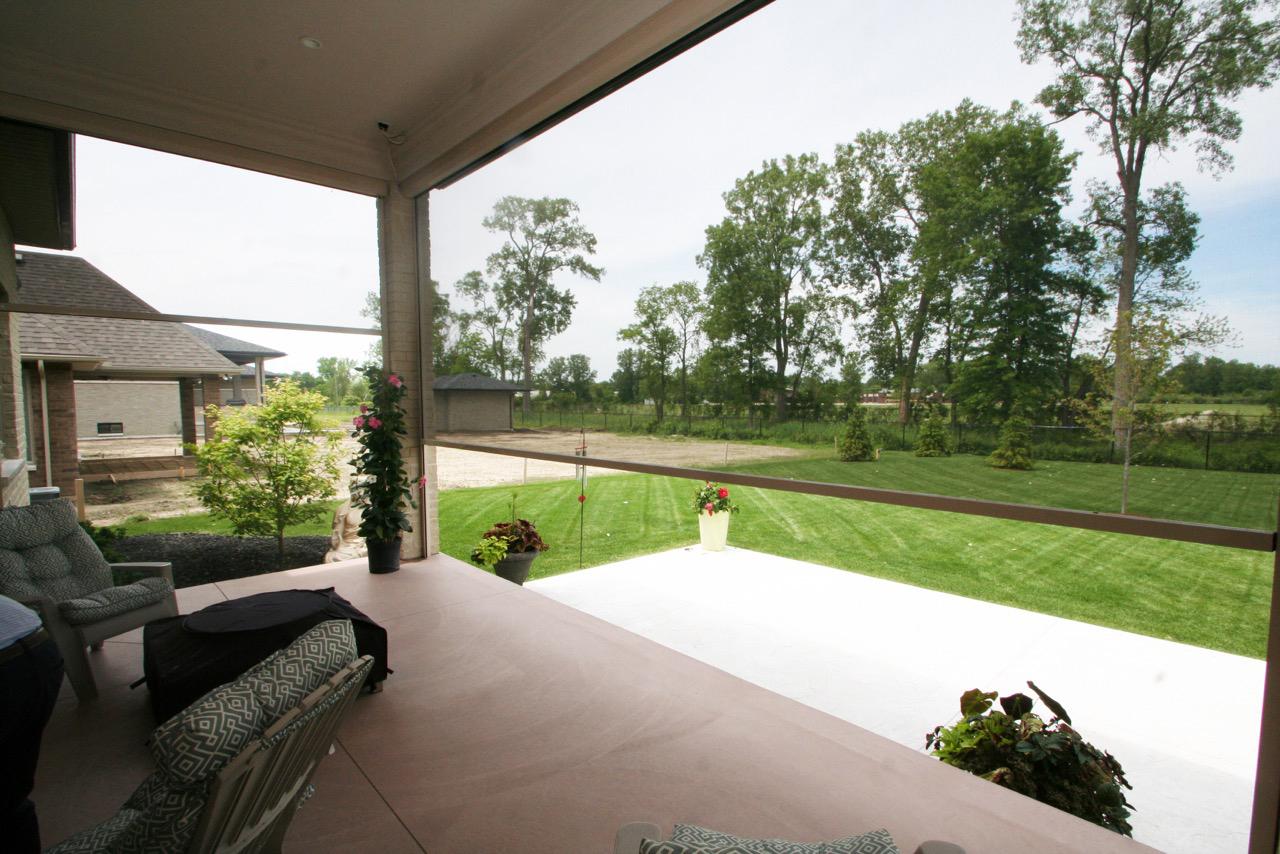
A patio may receive strong afternoon sunlight, making part of the space difficult to use comfortably. A retractable screen can provide shading when needed and be retracted when an open environment is preferred.
Talius identifies patios, decks and gazebos among the applications for Habitat Screens
For outdoor applications, consider:
- Sun direction
- Desired privacy
- Frequency of use
- Available mounting points
- View requirements
- Manual or motorized operation
Solution for Flexible Exterior Shading
Permanent shading is not always appropriate.
A retractable system allows the property owner to change the amount of exterior shading according to the conditions and how the space is being used.
This can be useful when:
- Sun exposure changes throughout the day
- You want an open view when shading is not required
- Multiple openings have different requirements
- The space is used differently at different times
- The outdoor area needs flexible shade
The retractable nature of Habitat Screens makes them different from fixed exterior shading structures.
Choosing a Habitat Screen Solution by Need
The same property may require different solutions for different openings.
If Solar Protection Is the Priority
Start by identifying the windows or openings receiving the strongest direct sunlight.
Then consider:
- Sun orientation
- Fabric openness
- Manual or motorized operation
- Desired level of solar protection
- Outward visibility
If Privacy Is the Priority
Consider the direction of the opening, neighbouring properties and when privacy is required.
Fabric selection should balance privacy with the amount of exterior visibility you want to retain.
If Maintaining the View Is the Priority
Look at fabric openness first.
A more open screen can allow greater visibility while still providing exterior shading. The final selection should reflect the amount of solar protection required for the opening.
If Glare Is the Priority
Identify when glare occurs and which openings are responsible.
This can help determine where exterior screens are most useful and what level of fabric density should be considered.
If Outdoor Comfort Is the Priority
Look at the entire outdoor space rather than just the screen itself.
Consider the direction of sunlight, available mounting surfaces, privacy, views and how the area is normally used.
If Convenience Is the Priority
Consider motorized operation.
Avant Guard’s current Habitat Screen information identifies motorized control, sensors and automation as available considerations.
Choosing the Right Fabric
Fabric selection is central to the Habitat Screen solution.
Talius currently identifies several fabric options with different weave densities and corresponding levels of openness and UV protection.
A useful way to approach the selection is to ask:
How much sun do you need to control?
More solar protection may be appropriate for heavily exposed openings.
How important is the view?
A more open fabric may be preferable where maintaining outward visibility is important.
How important is privacy?
Privacy requirements may justify a different balance between openness and shading.
What is the space used for?
A living room, office, patio and commercial storefront can have very different requirements.
There is no need to treat every opening on a property identically. Different openings can be evaluated according to their individual conditions.
Manual vs Motorized Habitat Screen Solutions
Operation should be considered as part of the solution rather than as an afterthought.
Manual Operation
Manual operation may make sense where the screen is easy to access and does not need to be adjusted frequently.
Motorized Operation
Motorized operation can be useful where:
- Screens are difficult to reach
- Screens are adjusted regularly
- Automation is part of the property's requirements
- Multiple openings are involved
- Convenience is important
Avant Guard’s current product information identifies motorized controls, sensors and automation for Habitat Screens.
The appropriate configuration depends on the project and should be assessed based on the actual use of the screens.
Habitat Screen Solutions for Homes
For residential properties, Habitat Screens can address several common concerns.
A homeowner may be looking to:
- Reduce sunlight entering a room
- Improve daytime privacy
- Make a patio or deck more comfortable
- Add retractable exterior shading
- Manage glare
- Protect interiors from UV exposure
- Maintain an outdoor view
- Automate screen operation
The best solution depends on which of these objectives is most important.
For detailed homeowner-specific information, see the dedicated Residential Habitat Screens BC page.
Habitat Screen Solutions for Commercial Properties
Commercial properties can have additional considerations.
An office, retail space, hospitality property or other commercial building may need to balance solar control with occupant comfort, exterior appearance, visibility and operation.
Talius identifies Habitat Plus as a solution for commercial spaces, buildings and locations with more challenging dimensions or mounting conditions
For commercial projects, the solution should be evaluated around:
- Building orientation
- Solar exposure
- Outward visibility
- Mounting conditions
- Window and opening dimensions
- Privacy
- Operating requirements
- Number of openings
For detailed commercial guidance, see Commercial Habitat Screens BC.
Habitat Screen Solutions for Windows, Doors and Outdoor Spaces
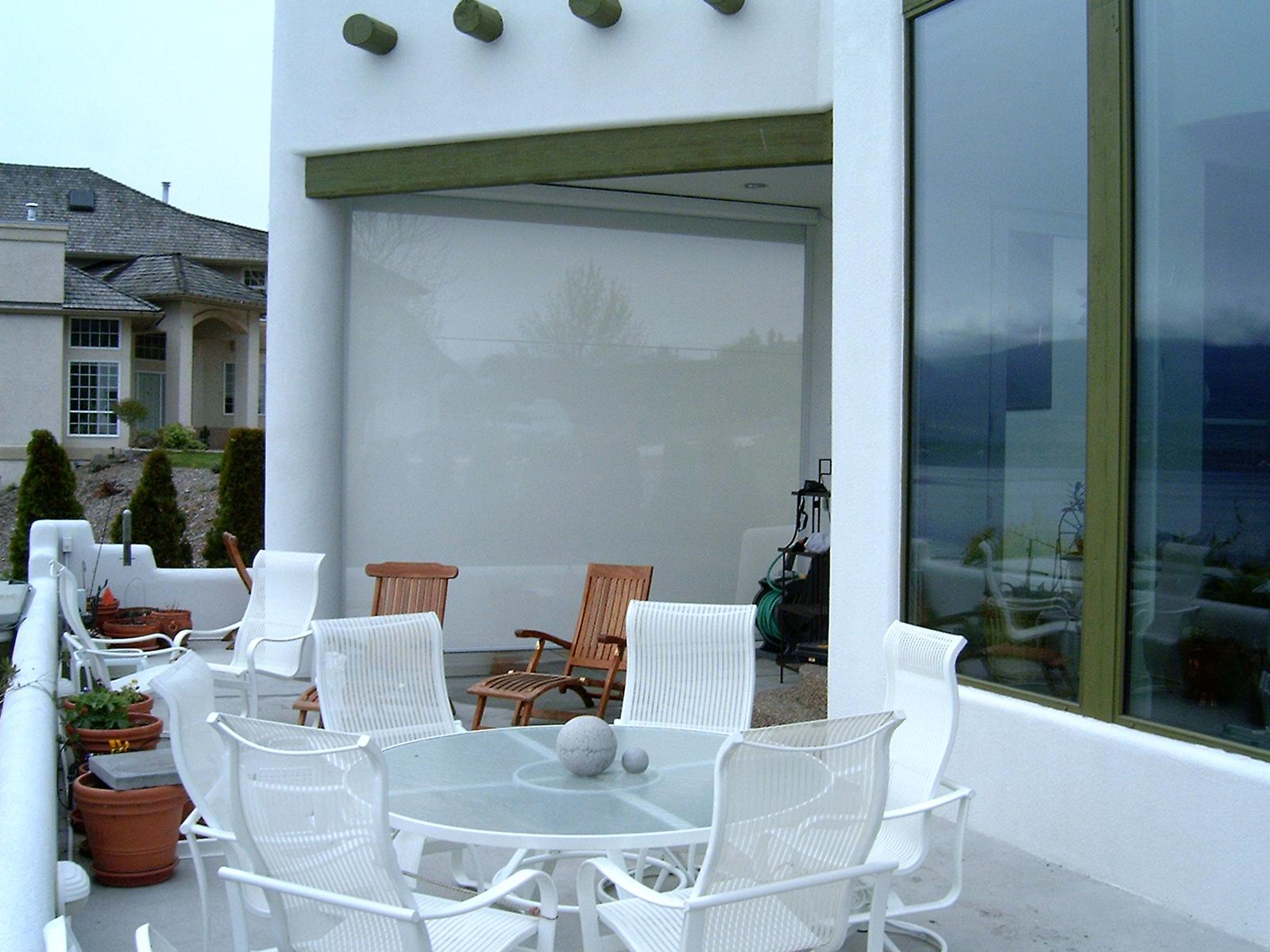
The problem being solved often determines where the screen should be installed.
Windows: Best suited to requirements involving solar exposure, glare, privacy, UV exposure and interior comfort.
Doors and Large Openings: Useful where a glazed door or opening receives direct sunlight and requires retractable exterior shading.
Patios and Decks: Useful when direct sun or privacy affects the usability of an outdoor area.
Gazebos: Can provide retractable shading and privacy for suitable structures.
Garages: Talius identifies garages among the potential Habitat Screen applications. Suitability depends on the opening and installation conditions.
For more detailed application guidance, see Habitat Screen Applications BC.
Habitat Screens and Other Avant Guard Solutions
Habitat Screens are one part of a broader range of property solutions.
They are primarily relevant to solar shading, privacy, visibility and comfort.
Other property requirements may call for different products.
For example:
- Security roll shutters address security and physical protection requirements.
- Retractable awnings provide another approach to exterior shading.
- Custom fabrication can support projects requiring fabricated components.
- Security gates and window bars can provide additional physical security solutions.
- Automatic gates and access control address vehicle and pedestrian access.
Understanding the actual property problem first makes it easier to determine whether Habitat Screens are the appropriate solution.
How to Start a Habitat Screen Project
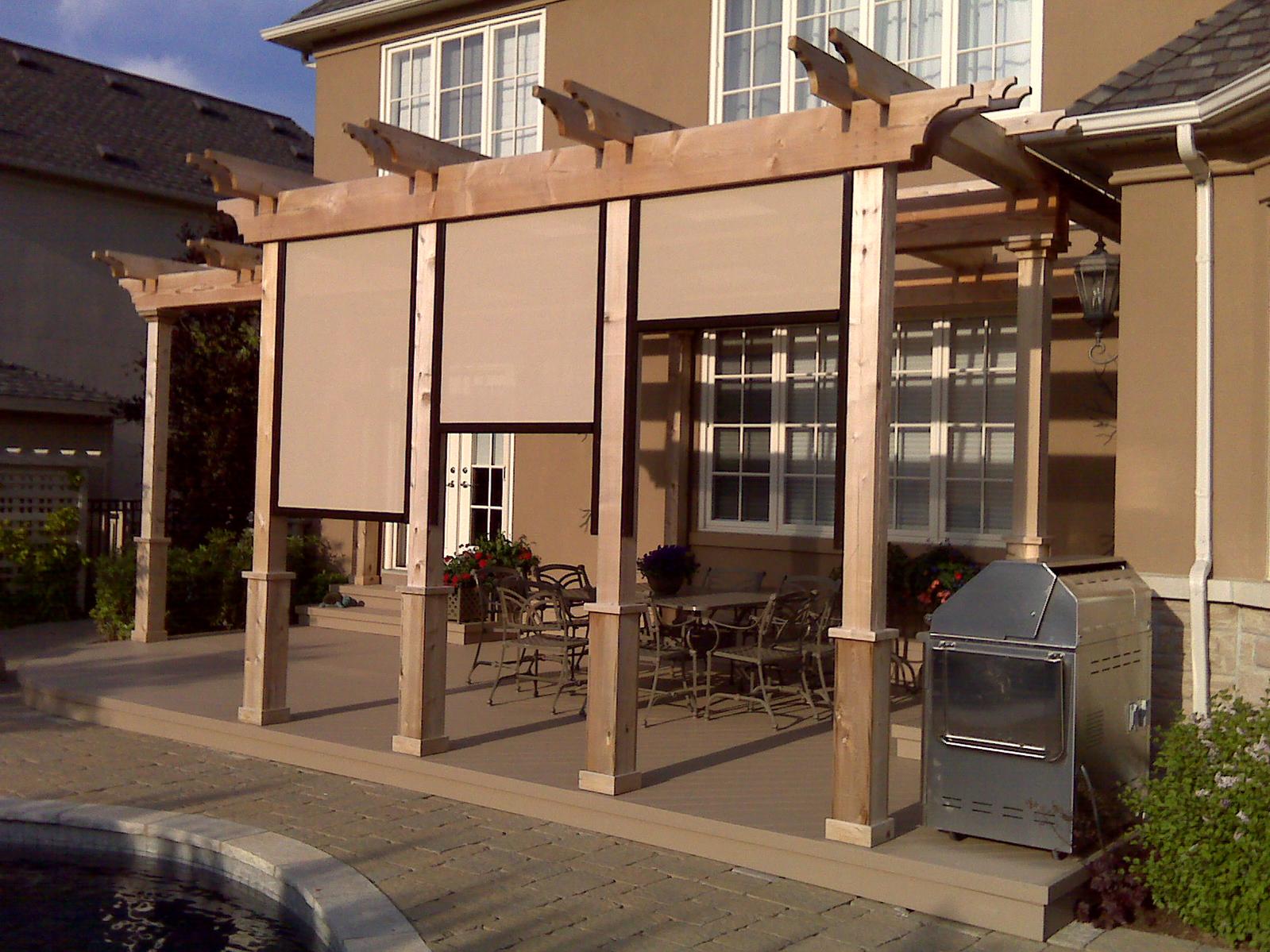
Before requesting a quote, gather basic information about the property and the problem you are trying to solve.
Useful information includes:
- Property location
- Opening type
- Sun exposure
- Privacy requirements
- Manual or motorized preference
- Any unusual architectural or mounting conditions
- Residential or commercial use
- Approximate opening dimensions
- Main concern
- Desired visibility
- Photos of the openings
You do not need to determine the final product configuration yourself.
The purpose of the initial discussion is to understand the application and determine which Habitat Screen options should be considered.
Frequently Asked Questions
Q: How do I know if habitat screens will actually solve my specific problem?
A: Professional site assessment is the answer. Avant Guard Gates evaluates your property, understands your specific problem, and recommends whether screens are the right solution. Sometimes they are; sometimes alternative solutions make more sense.
Q: What if I have multiple problems—can one screen system solve them all?
A: Often, yes. By choosing the right fabric density and deployment strategy, one system can address heat, insects, wind, and privacy simultaneously. During consultation, we discuss your combined challenges and recommend integrated solutions.
Q: How much improvement should I realistically expect from habitat screens for my problem?
A: Results vary based on problem specificity and property conditions. Cooling cost improvements range 15–60%. Privacy improvements are dramatic (complete daytime privacy when deployed). Insect control is 100% when properly sealed. Wind reduction is 50–70%. Noise reduction is 30–50%. Seasonal extension is typically 3–6 months. We provide realistic expectations specific to your situation.
Q: Are habitat screens the best solution for every problem?
A: No. For some problems, alternative solutions (permanent structures, fixed installations, etc.) may be better. We’re honest about this—screens are not always the perfect answer, and we’ll tell you if something else makes more sense.
Q: Can motorized automation help manage my problem automatically?
A: Yes. Motorized systems with sensors (sun, wind, scheduling) can automate deployment based on triggers. For example, sun sensors deploy screens when heat/glare reaches preset thresholds. This reduces seasonal management burden significantly.
Q: What's the typical cost to solve a specific problem?
A: Cost depends on the problem’s scale and scope. A simple privacy solution on one window might cost $3,000 – $5,000. A comprehensive multi-opening system addressing multiple problems could cost $15,000 – $50,000+. Consultation includes cost estimate tailored to your specific situation.
Q: How long before habitat screens pay for themselves?
A: ROI depends on the problem. Energy-saving screens often pay for themselves in 5–15 years through cooling cost reduction. Commercial applications addressing lost revenue may pay back in months. Privacy/comfort solutions have intangible value (peace of mind, usability) that’s harder to quantify financially.
Request a Habitat Screen Quote in BC
If you know the problem you want to solve but are not sure which Habitat Screen configuration is right for your property, Avant Guard Gates can help you evaluate the available options.
Request a quote from Avant Guard Gates to discuss Habitat Screen solutions in Surrey, Vancouver, the Lower Mainland or elsewhere in British Columbia.