
Institutional Security Roll Shutters BC for Schools & Public Facilities
Institutional buildings often have a wide range of windows, doors and other openings that need to remain functional while also being protected when required.
Schools, educational facilities, public buildings and other institutional properties may have different security requirements depending on the building, its occupants, the location of each opening and how the space is used.
Institutional security roll shutters provide a retractable solution for covering selected openings when additional physical protection, privacy or other forms of protection are required.
Avant Guard Gates provides security roll shutter solutions for institutional and other properties across British Columbia. Working with Talius roll shutter systems, our team can help evaluate the application and identify a suitable shutter profile and operating configuration for the project.
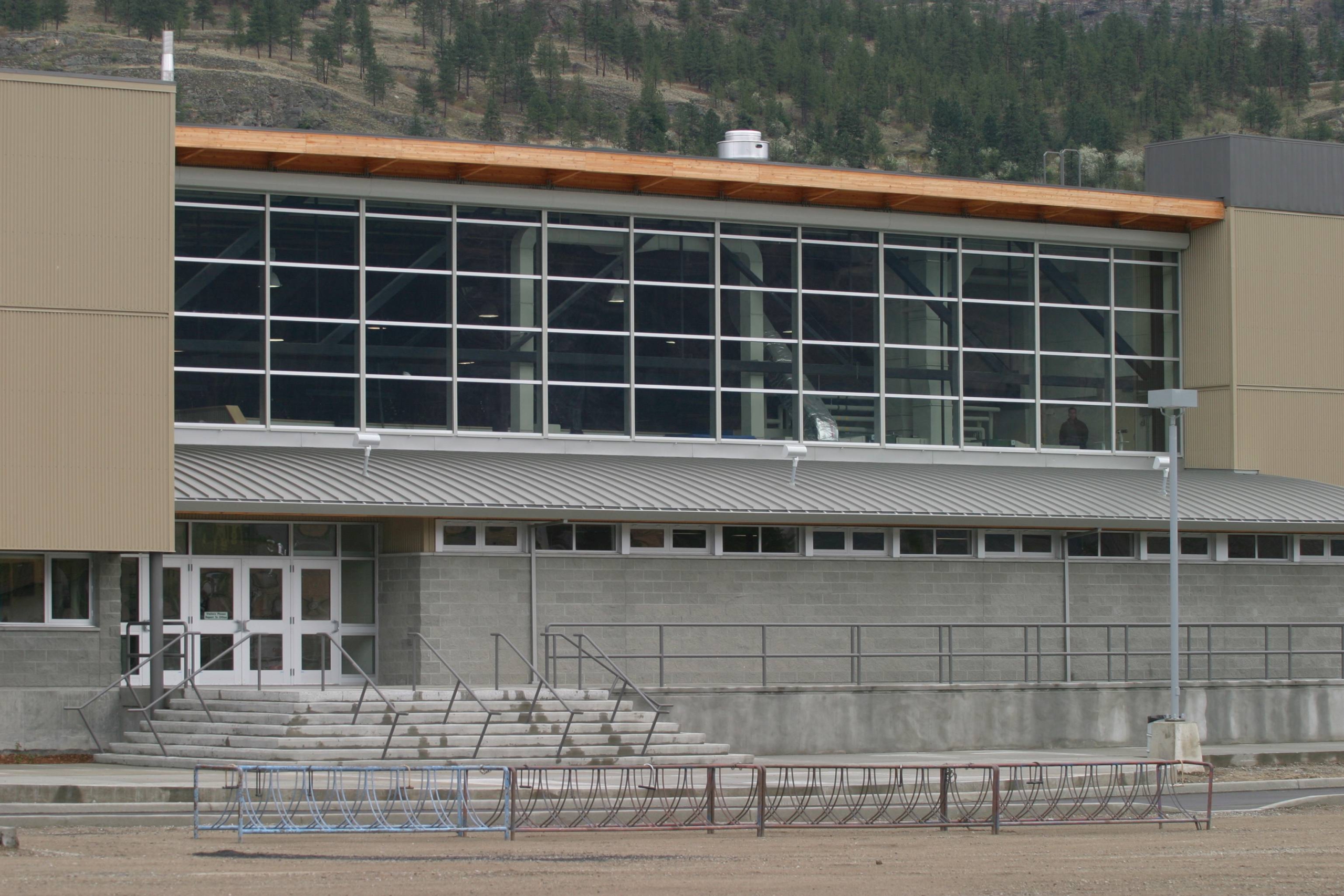
Institutional Security
Why Institutions Require Specialized Security Solutions
Institutional facilities operate under constraints that retail and residential properties don’t face.
Public Access Requirement:
Unlike businesses that close at night or homes that are private, many institutions must remain accessible during operating hours—often to diverse, unvetted populations (students, patients, visitors, the general public). Security must restrict access without disrupting operational flow.
Vulnerable Populations:
Schools protect children. Hospitals care for patients who may be unable to evacuate independently. These facilities bear responsibility for safety that extends beyond property protection to personal safety.
Regulatory Compliance:
Institutions operate under building codes, fire safety regulations, accessibility standards (ADA/BC requirements), health regulations (HIPAA for healthcare), and emergency response protocols. Security measures must align with all applicable regulations.
24/7 or Extended Operations:
Many institutions operate beyond standard business hours (emergency rooms, university campuses, after-hours events), requiring security solutions that perform reliably in varying conditions and staffing levels.
Mission-Critical Information & Assets:
Government buildings house confidential data. Hospitals hold patient records and medications. Universities manage research and financial information. Security protects not just physical property but sensitive information and assets.
Multi-Opening Installations:
Institutions typically require security across many openings (multiple classroom windows, multiple building entries, pharmacy areas, records rooms). This scale demands systems engineered for consistency and reliability across numerous points.
Integration with Institutional Infrastructure:
Institutional security doesn't operate in isolation. It must integrate with access control systems, alarm networks, emergency response procedures, CCTV surveillance, intercoms, and sometimes lockdown systems. Compatibility and coordination are essential.
Commercial
These factors make institutional security fundamentally different from installing a shutter on a residential bedroom or retail storefront.
Options
Talius Security Roll Shutter Options for Institutional Applications
Avant Guard Gates works with Talius security roll shutter systems with different profiles designed for different applications.
Selecting the appropriate profile should begin with the opening and facility requirements.
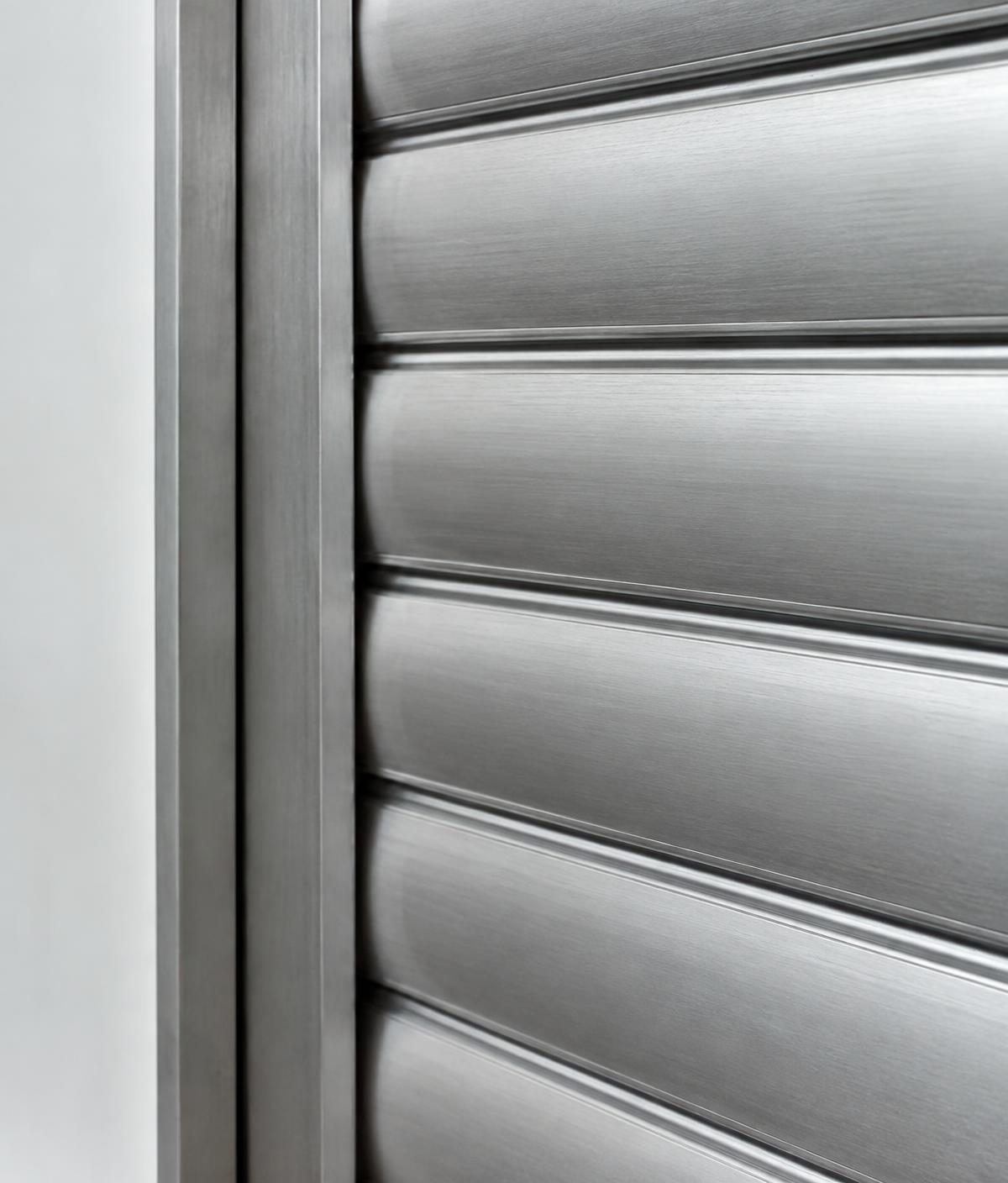
Shield Mini
Shield Mini is an insulated, medium-duty profile.
Its listed applications include windows and entryways, counter and cabinet enclosures, storefronts and high-risk locations, with considerations including solar protection, vandalism protection and privacy.
For institutions, this profile may be relevant where a combination of protection, privacy and solar control is required.

Safe Mini
Safe Mini is an insulated profile intended for applications where protection against break-ins, vandalism and theft is a primary consideration.
Listed applications include windows and doors, storefronts, counter and cabinet enclosures and high-risk locations.
For institutional projects with higher security considerations, the appropriate profile can be evaluated based on the specific opening.
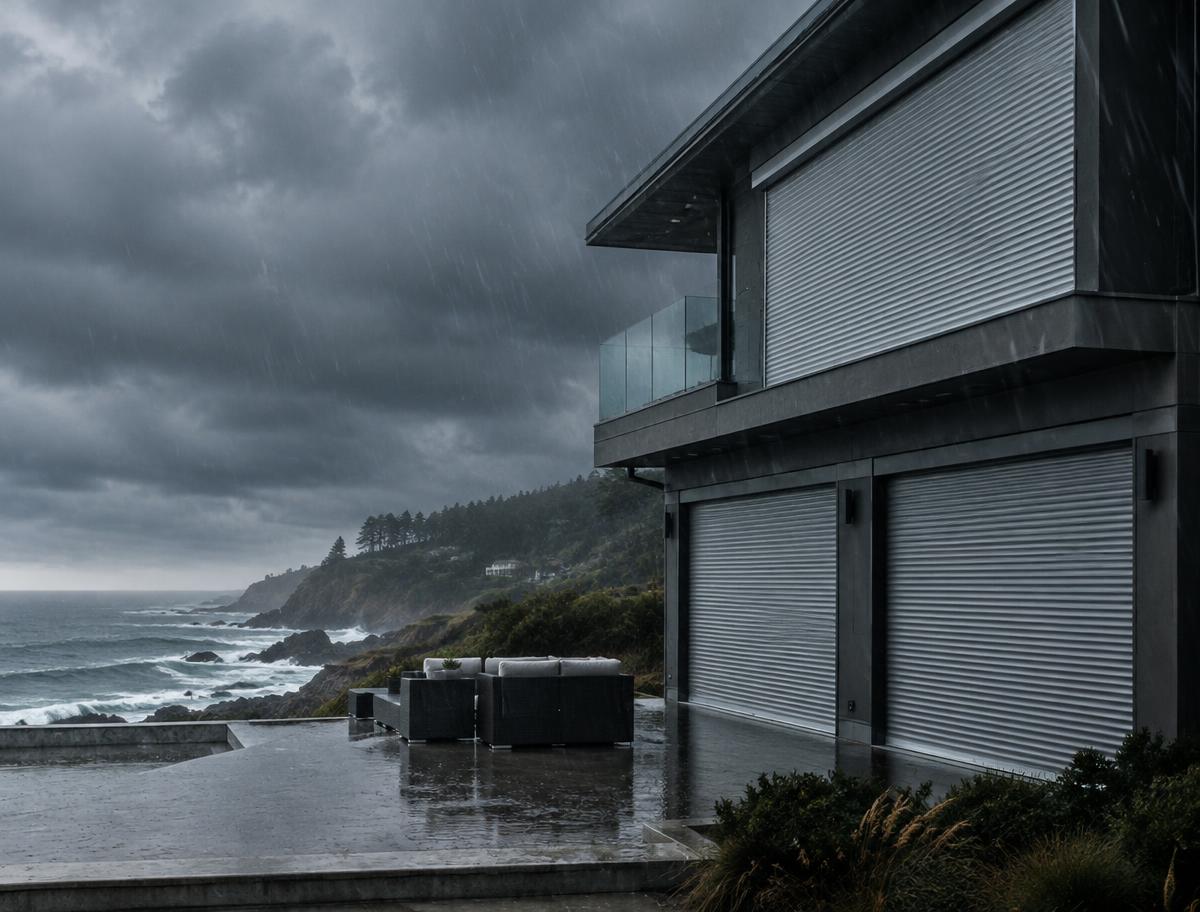
AG-77
AG-77 is designed for larger openings and provides a medium-duty solution with insulation and vandalism protection.
Its listed applications include garage doors, entryways, windows and doors.
This may be relevant to institutional projects where larger openings require a roll shutter solution.
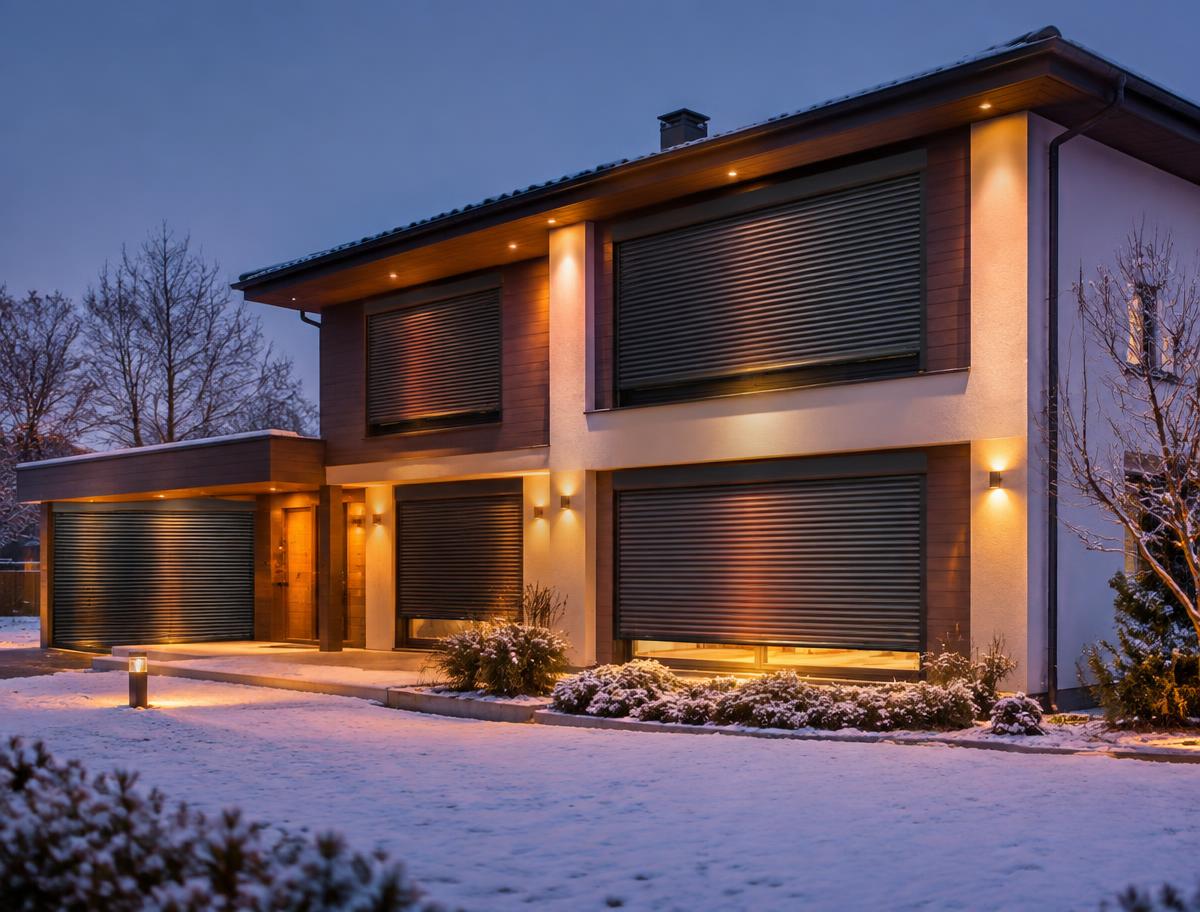
HQ Macro
HQ Macro is an insulated roll shutter profile intended for lighter-duty applications.
Its listed applications include windows and doors as well as counter and cabinet enclosures, with solar protection and privacy among the intended considerations.
This can be considered for institutional openings where privacy or solar protection is part of the requirement.
Educational
Educational Facilities (Schools, Universities, Colleges)
K-12 schools and university campuses prioritize student and staff safety above all. Ground-level classroom windows, laboratory spaces, and administrative areas represent security vulnerabilities during school hours and after-hours closure.
Security roll shutters on classroom and laboratory windows serve multiple functions:
- During school hours: Closed during emergencies (lockdown procedures), providing a barrier against external threats
- After hours: Secured at night, preventing unauthorized entry to classrooms containing valuables (computers, laboratory equipment, supplies)
- Visual deterrent: The visible presence of shutters signals to would-be intruders that the facility is hardened and not an easy target
Many schools install motorized shutters that can be operated remotely, allowing administrators to secure vulnerable areas quickly during emergency situations without requiring staff to physically close each shutter.
Active threat situations require rapid response. Traditional doors can be barricaded, but windows remain vulnerable—a threat can break glass and enter, or someone inside can be seen through windows during evacuation.
Motorized security shutters provide an additional layer:
- Can be lowered remotely or automatically when a lockdown is triggered
- Block visibility into classrooms (preventing location identification of evacuating students)
- Prevent forced entry through ground-floor windows during an active threat
- Integrate with emergency notification systems (when alarm is triggered, shutters lower automatically)
This integration transforms shutters from passive security into an active emergency response tool.
BC’s coast and mountain regions experience severe weather. Schools with storm shelters or designated safe rooms can enhance emergency readiness by securing shelter entries and window areas with motorized shutters that meet storm-resistance standards.
Shutters engineered to ICC 500 standards and FEMA guidelines can withstand:
- Hurricane-force winds (250+ mph)
- Flying debris and impact
- Extreme weather conditions
- Power failures (with backup manual operation)
For coastal schools in particular, storm-rated shutters on shelter areas provide protection that standard doors and windows cannot match.
Schools typically close in early evening but may host events, sports activities, or community programs extending into night hours. Administrative areas, technology labs, and equipment rooms need after-hours security without requiring a security officer to manually lock each room.
Motorized shutters over ground-floor windows and doors allow facility staff to:
- Secure high-value areas (computer labs, athletic equipment) with button-press automation
- Prevent after-hours break-ins targeting valuable equipment
- Enable evening and night events while maintaining security perimeter
- Reduce reliance on security staff to physically check each lock
Healthcare
Healthcare Facilities (Hospitals, Clinics, Pharmacies)
Controlled Access to Sensitive Areas
Hospitals and clinics contain sensitive areas that require restricted access: psychiatric units, intensive care areas, pediatric wards, laboratory spaces, and administrative offices. Security roll shutters on windows of sensitive areas prevent visibility and forced entry while allowing staff to work.
Applications:
- Secure high-value areas (computer labs, athletic equipment) with button-press automation
- Prevent after-hours break-ins targeting valuable equipment
- Enable evening and night events while maintaining security perimeter
- Reduce reliance on security staff to physically check each lock
Shutters integrate with institutional access control: only authorized personnel can open shutters (via badge reader, keypad, or staff control), maintaining security while allowing clinical operations.
Pharmacy & Medication Security
Pharmacies within hospitals and clinics are frequent theft targets—thieves seek controlled substances and high-value medications. Security shutters transform a pharmacy from an open window to a fully secured enclosure.
Pharmacy shutter specifications:
- Solid, heavy-gauge aluminum (preventing prying or forcing)
- Motorized closure at end of shift (ensuring consistent nightly security)
- Optional manual locking mechanisms (preventing accidental opening)
- Counter-height shutters (protecting point-of-service areas)
- Integration with alarm systems (triggering alerts if tampered with)
Combined with access control, surveillance, and monitored alarm systems, shutters provide layered protection against theft.
Staff & Patient Safety
Healthcare workers face workplace violence at higher rates than many professions. Shutters provide security tools that staff can use in threatening situations:
- Secure a vulnerable area quickly (lower shutters to prevent intruder access)
- Create safe spaces during violence threats
- Prevent weapon access (shutters can prevent an armed individual from entering a specific area)
- Support staff confidence and security (knowing emergency closures are available)
Studies on healthcare worker safety emphasize that employees feel more secure in facilities with layered security measures—and that confidence directly improves patient care.
HIPAA Compliance & Privacy
Healthcare facilities must comply with HIPAA regulations protecting patient privacy. Shutters contribute to privacy protection by:
- Preventing viewing of patient information visible through windows
- Securing areas containing patient records
- Providing privacy for sensitive consultations or procedures
- Creating controlled access to areas with protected health information (PHI)
During off-hours, closed shutters ensure that patient records, charts, and information visible through windows are not exposed to cleaning staff, maintenance personnel, or unauthorized individuals.
Emergency Department Security
Emergency departments operate 24/7 and serve all populations, including those in crisis or under the influence of substances. Ground-level windows in ED waiting areas, triage areas, and treatment rooms can be secured with shutters when necessary:
- During periods of elevated threat (community violence, gang activity in region)
- After hours to prevent break-ins to medication storage or supply areas
- To secure vulnerable areas if a patient or visitor becomes violent
Modern motorized systems allow ED staff to close specific shutters without leaving their positions, providing security without operational disruption.
Government
Government & Municipal Buildings
Controlled Access to Sensitive Areas
Hospitals and clinics contain sensitive areas that require restricted access: psychiatric units, intensive care areas, pediatric wards, laboratory spaces, and administrative offices. Security roll shutters on windows of sensitive areas prevent visibility and forced entry while allowing staff to work.
Security roll shutters on:
- Ground-floor office windows (preventing after-hours break-ins)
- Records rooms (securing confidential municipal documents)
- Financial/treasury areas (protecting financial records and systems)
- Public service windows (after-hours closure while maintaining building security)
Many municipalities operate multiple facilities (city hall, public works, planning offices, recreation centers). Motorized shutters on all facilities can be centrally controlled, allowing one security team to secure multiple buildings at the end of day.
Police Stations & Emergency Services
Police stations and fire departments face unique security challenges—they contain weapons, sensitive information, evidence, and vehicles. Security shutters provide additional protection:
Security roll shutters on:
- Secure administrative areas and evidence storage from theft
- Protect vehicles and equipment in associated garages
- Control access to sensitive information areas
- Prevent break-ins targeting police weapons or equipment
For emergency services, motorized shutters also provide rapid security capability during community emergencies or civil disturbances.
Courthouses & Legal Facilities
Courthouses and legal facilities hold sealed records, contain presiding judges and court staff who may face threats, and serve as venues for sensitive legal proceedings. Security is heightened:
- Judges' chambers secured with shutters preventing access after-hours
- Secure areas for sensitive cases or high-threat defendants
- Records and evidence secured from after-hours theft
- Courtroom windows shuttered during sensitive proceedings (in rare cases)
Courthouses often have unique architectural constraints (historic buildings, specific design requirements). Shutters can be customized to maintain architectural integrity while providing security.
Records & Data Protection
Government buildings at all levels (municipal, provincial, federal) house sensitive records—land titles, business licenses, legal documents, financial records. After-hours security prevents theft or unauthorized access:
- Records rooms shuttered at night
- Controlled access during operating hours (authorized staff only)
- Integration with access control systems
- Support for FOIA/ATIA (Freedom of Information) security requirements
For facilities managing large-scale data or sensitive government records, shutters are one component of a broader security strategy that may include surveillance, access control, and intrusion detection.
Public Access
Public Access Facilities
Libraries & Community Centers
Public libraries and community centers serve diverse populations and remain open during extended hours. After-hours security requires protecting buildings while maintaining a welcoming, non-fortress-like appearance during operating hours.
Library Security Challenges:
- Ground-floor windows vulnerable to break-in (after hours, entire building is empty)
- Technology areas (computers, audiovisual equipment) are theft targets
- Public programs and events often extend to evening hours (requiring event-specific security)
- Budget constraints (limited dedicated security staff)
- Aesthetic considerations (libraries should feel inviting, not fortified)
Security shutters on library windows:
- Lower at closing time, securing all ground-floor access points
- Integrate with alarm systems (triggering alerts if tampered with)
- Reduce vandalism (graffiti targets and broken windows are less attractive if shutter is present)
- Support after-hours event security (staff can secure non-event areas while programs run)
Community Center & Recreation Facility Applications:
- Aquatics centers (after-hours security of pool areas, equipment)
- Fitness centers (securing after-hours access to equipment)
- Multi-purpose facilities (securing different areas independently based on scheduled usage)
- Gymnasium and sports areas (equipment security, preventing after-hours access)
Multi-Site Management
Many municipalities operate multiple libraries, recreation centers, or community facilities across a service area. Centralized management of security becomes operationally important:
Multi-Site Challenges:
- No dedicated security staff at each location (staff are facility managers, not security)
- Inconsistent closing procedures across sites
- Inability to visually inspect all sites each night
- Need for reliable, automated security (reducing human error)
Motorized Shutter Solutions:
- Centralized control system allowing one team to secure multiple facilities
- Automated scheduling (shutters close automatically at closing time)
- Remote monitoring (staff can verify shutters are closed from central office or home)
- Consistent operation across all sites (reducing human variability)
After-Hours Event Access
Public facilities often host after-hours events: evening classes, public meetings, performances, rentals. Security shutters provide flexibility:
- Staff can keep non-event areas secured (other wings of building shuttered)
- Event areas remain accessible
- Valuable equipment in non-event areas is protected
- Controlled access points prevent unauthorized entry to secured areas
Compliance
Regulatory Compliance & Code Requirements
Institutional facilities operate under strict regulatory frameworks. Security measures must comply with applicable regulations—shutters don’t replace regulatory requirements; they enhance security within compliant design.
Building Code Compliance
Building codes specify:
- Egress requirements (emergency exits must remain unobstructed)
- Fire-rated openings (some windows/doors require fire-rated protection)
- Structural requirements (security measures can't compromise building integrity)
- Material specifications (institutional-grade durability)
Security shutters must be designed to comply with applicable building codes. For example:
- Shutters cannot block required egress routes
- Fire-rated shutters may be required in some applications
- Structural installation must meet load and stress requirements
- Installation cannot compromise building envelope integrity
Avant Guard Gates works with building officials and code consultants to ensure shutter installations meet all applicable code requirements.
Fire Safety & Egress Requirements
Emergency egress (evacuation routes) is non-negotiable. Shutters cannot block or obstruct:
- Primary exits and emergency exits
- Egress windows (bedroom windows required as emergency exits)
- Evacuation corridors or assembly areas
- Access to fire suppression equipment
Properly designed shutters:
- Never block required exit routes
- Can be opened quickly in emergencies (motorized systems include manual override)
- Don't obstruct visibility of exit signage
- Are installed to never impede emergency procedures
Building officials review shutter installation designs to ensure fire safety compliance. This is non-negotiable—life safety supersedes all other considerations.
Accessibility Standards
Institutions must comply with accessibility standards (ADA in US, similar BC requirements). Security shutters cannot impede accessible routes or create barriers for people with disabilities:
- Accessible routes cannot be blocked by shutters
- Doors required to be accessible must remain accessible (or be motorized with accessible controls)
- Wheelchair users must be able to navigate secured areas during operating hours
- Service counters and windows must remain accessible
Motorized shutters with accessible controls (large buttons, voice activation, keypad entry) are often required in institutional settings serving the public.
Emergency Response Protocols
Institutions develop emergency response procedures: evacuation, shelter-in-place, lockdown, etc. Security shutters must integrate with, not interfere with, these procedures:
- Evacuation: Shutters must allow rapid exit; never block emergency exits
- Shelter-in-place: Shutters can help secure a shelter area (reducing external visibility, preventing entry through windows)
- Lockdown: Shutters can lower automatically when lockdown is triggered, securing ground-level access
- Fire response: Shutters must have manual override; motorized systems must be operable without electricity
Emergency procedures are tested regularly. Shutter operation must be seamlessly integrated into drill procedures, and staff must be trained on shutter operation in emergency scenarios.
Scale
Multi-Opening Institutional Installations
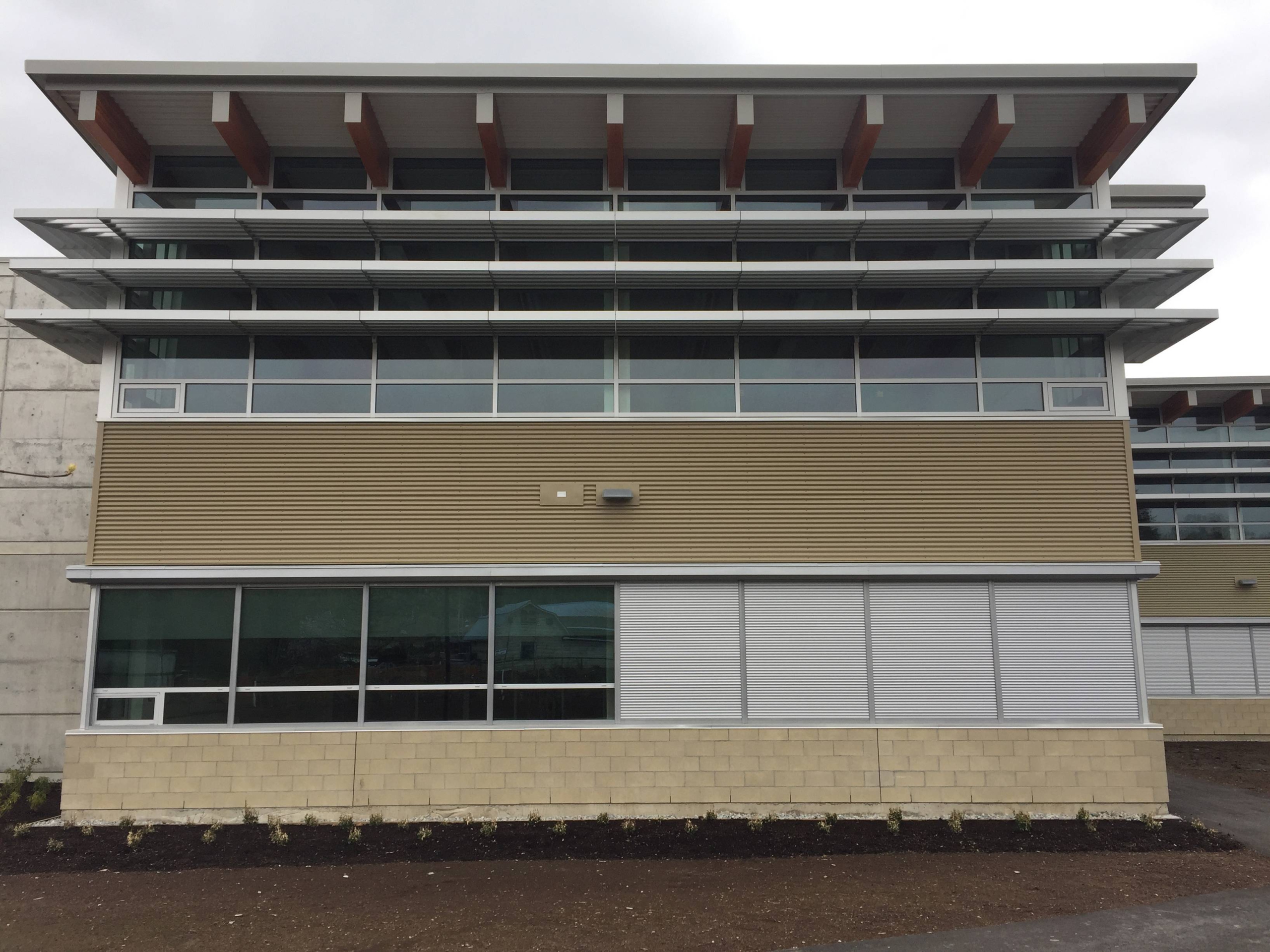
Residential and commercial shutters might protect 1–6 openings. Institutional facilities often require 15–50+ shutters across multiple buildings or wings.
Scale Considerations:
Design Complexity:
Designers must evaluate:
- Which openings are highest-priority (ground-floor, sensitive areas, high-traffic zones)
- Electrical routing for motorized systems (often in existing buildings with limited infrastructure)
- Structural requirements across diverse window and door types
- Integration points with existing security systems
- Phased installation timeline (if facility cannot close during renovation)
Installation Logistics:
Large installations require:
- Phased installation (securing building systems while keeping facility operational)
- Off-hours or weekend work (to avoid disrupting institutional operations)
- Coordination with facility management and security teams
- Staff training on operation and maintenance
- Testing and commissioning of integrated systems
Cost & Budgeting:
Institutional budgets often operate on annual cycles. A facility might budget:
- Year 1: $50,000 – $100,000 (Phase 1: priority ground-floor openings)
- Year 2: $50,000 – $75,000 (Phase 2: secondary openings)
- Year 3: $25,000 – $40,000 (Phase 3: remaining areas)
This phased approach spreads cost across multiple budget years while progressively hardening the facility.
Durability
Durability & High-Use Environments
Institutional shutters operate in high-traffic, heavy-use environments. Shutters may cycle 2–3 times daily (morning opening, midday closure for events, evening closure). Over decades of operation, this requires industrial-grade durability.
Institutional-Grade Specifications:
Aluminum Grade: Heavy-gauge, high-strength aluminum with reinforced cores. Lighter-duty residential aluminum won’t withstand frequent cycling and rough handling.
Motor & Drive Train: Commercial-duty motors engineered for high-cycle applications (1,000,000+ cycles). Motors must include backup manual operation and fail-safe features.
Guide Rails: Heavy-duty aluminum or steel guide rails preventing binding or misalignment after thousands of cycles.
Hardware: ANSI Grade 1 or equivalent institutional-grade locks, latches, and hinges (far exceeding residential Grade 2 or commercial Grade 3).
Sealing & Weather Protection: Institutional facilities endure harsh weather and pollution. Seals, gaskets, and coatings must resist corrosion (especially in coastal BC).
Maintenance Access: Design accommodates regular maintenance (lubrication, inspection, hardware adjustment) without requiring facility shutdown.
Avant Guard Gates sources shutters from manufacturers with proven institutional experience, ensuring systems meet durability requirements for 20–30+ year operational life.
Integration
Integration with Institutional Systems
Institutional security doesn’t operate in isolation. Shutters must integrate seamlessly with existing infrastructure.
Access Control Integration:
Motorized shutters are wired to access control systems. Authorized personnel (badge/keypad) can open shutters; unauthorized attempts trigger alarms.
Alarm System Integration:
Shutter position is monitored by alarm systems. If a shutter is tampered with or forced open, an alarm is triggered.
Emergency Notification:
In emergency situations, alarm activation or panic button use can trigger automatic shutter closure across the facility.
CCTV & Surveillance:
Shutter position is logged alongside camera footage, creating a complete record of security status.
Building Management Systems (BMS):
In modern institutional buildings, shutters integrate with BMS controlling HVAC, lighting, and other systems. Shutters can be coordinated with temperature management (closing shutters reduces HVAC load).
Intercoms & Communication:
Staff can communicate status (are shutters open? closed? operational?) through facility intercoms or emergency notification systems.
Procurement
Budgeting & Procurement Process
Institutional procurement typically follows formal processes:
RFP/RFQ Process:
Facilities issue requests for proposal or quotation detailing requirements. Vendors submit sealed bids. Selection is often based on the lowest qualified bid (though quality and experience are evaluated).
Budget Cycles:
Institutional budgets operate annually. A security improvement may be proposed in fall, budgeted in the budget cycle, and implemented in the following fiscal year.
Funding Sources:
Beyond annual operating budgets, institutions may access:
- Federal/state/provincial grants for facility security improvements
- Emergency management funding (post-disaster)
- Insurance premium savings (offsetting upgrade costs)
- Bond funding (if facility is bonded)
Approval Processes:
Large institutional upgrades require:
- Facility manager recommendation
- Security director approval
- Executive/administrative approval
- In some cases, board approval
- AHJ (Authority Having Jurisdiction) permit approval
Avant Guard Gates helps institutional clients navigate RFP processes, budgeting, and grant applications. We prepare detailed specifications, provide technical documentation, and support regulatory approval.
Training
Staff Training & Operational Procedures
Security systems only work if staff understand how to use them. Institutional installations include training:
Operation Training:
- How to open/close shutters (manual and motorized)
- Emergency procedures (manual override if power fails)
- Integration with facility schedules
- Troubleshooting common issues
Emergency Procedures:
- How shutters are integrated into lockdown procedures
- Manual override operation if motorized system fails
- Communication procedures (reporting shutter status to security/administration)
- Testing procedures (regular drills incorporating shutter operation)
Maintenance Procedures:
- Inspection and lubrication schedules
- Hardware maintenance
- Motor service and troubleshooting
- Reporting failures or damage
Staff training is documented and repeated annually, ensuring all shifts and all staff understand procedures. This is especially critical for emergency integration—in an active threat situation, staff must reflexively know how to operate shutters.
Questions
Frequently Asked Questions
Q: Can security shutters be installed in historic or heritage buildings?
A: Yes. Shutters can be designed for minimal visual impact or reversible installation. Historic building retrofits require attention to architectural integrity and heritage requirements. Avant Guard Gates works with heritage conservation specialists to ensure installations respect building significance.
Q: Do institutional shutters need to meet specific fire ratings?
A: Some jurisdictions or specific applications may require fire-rated shutters (especially on fire-separation walls). Building code consultants and the Authority Having Jurisdiction (AHJ) determine if fire-rating is required. Avant Guard Gates coordinates with AHJ to confirm requirements.
Q: How do we integrate shutters with our existing access control system?
A: During site assessment, Avant Guard Gates evaluates your access control infrastructure. Motorized shutters are wired to work with your existing system (badge readers, keypads, alarm activation). Integration is coordinated between Avant Guard Gates and your access control vendor or IT team.
Q: What happens if the power fails during a motorized shutter operation?
A: Modern motorized shutters include fail-safe mechanisms. If power is lost mid-cycle, the shutter stops; manual emergency operation (hand crank or lever) allows completion of the cycle. Many institutions install battery backup systems ensuring critical shutters can operate for 24–48 hours during extended power outages.
Q: Can we phase installation across multiple facilities over several years?
A: Yes. Phased installation is common for municipal and large institutional systems. Year 1 might prioritize highest-risk facilities or openings; subsequent years address remaining locations. This approach spreads capital costs across multiple budget years.
Q: Do shutters interfere with required emergency egress or exit routes?
A: No. Properly designed shutters never block required exit routes. Exit doors and egress windows remain fully accessible even when shutters are closed. Building code compliance is verified before installation.
Q: How often do institutional shutters require maintenance?
A: Annual inspection and lubrication are recommended (similar to garage door maintenance). Motorized systems should be inspected to verify motor operation, electrical connections, and safety features. Heavy-use facilities (frequent daily cycling) may require more frequent inspection.
Q: What's the typical lifespan of institutional-grade shutters?
A: Industrial-grade aluminum shutters with proper maintenance last 20–30+ years. Motors and mechanical components can be serviced or replaced individually, extending system life further. Proper maintenance is key to maximizing lifespan.
Q: Can shutters be integrated with emergency notification or lockdown systems?
A: Yes. Motorized shutters can be wired to automatic activation triggers—when a lockdown alarm is activated, shutters lower automatically. When emergency sirens sound, shutters can activate. Integration depends on your existing emergency systems architecture.
Q: Do we need special insurance for institutional shutter systems?
A: Shutter systems are typically covered under institutional property or security equipment insurance. Verify with your insurance provider that motorized systems and custom installations are included in your policy.
Q: How do we specify shutters for an RFP or procurement process?
A: Avant Guard Gates helps prepare detailed technical specifications for RFPs, including performance requirements, integration points, regulatory compliance details, and installation procedures. We support the competitive bidding process while ensuring quality standards are met.
Q: What's the timeline for a large institutional installation (multiple buildings, multiple openings)?
A: Timeline varies based on scope, structural requirements, and whether installation is phased. A 15–20 opening installation across multiple buildings typically requires 8–12 weeks from design through completion and testing. Avant Guard Gates provides detailed timelines during the planning phase.
Request a Institutional Security Roll Shutter Quote
Looking to protect a storefront, business window, entryway or another commercial opening in British Columbia?
Avant Guard Gates can help you evaluate the available security roll shutter options and determine an appropriate solution for your property.
Request a quote today and tell us about your commercial property, the openings you want to protect and how you expect the shutters to be used.